Eye Care$2000 - $5000⭐ KAHF Accredited Hospitals
Cataract Surgery in Korea
Remove your clouded lens and replace it with a clear IOL at a Korean eye clinic — often in a single day visit.
Quick Answer
- Procedure time: 15–30 minutes per eye under topical (drop) anesthesia — no injections, no general anesthesia
- Both eyes, one trip: Many Korean clinics treat the second eye a few days after the first, completing the full course in 3–5 days
- IOL choice matters: Monofocal, multifocal, EDOF, and toric lenses are available; premium lenses reduce spectacle dependence but require careful screening
- Cost range: ~$750–$4,500 USD per eye depending on lens type and whether femtosecond laser-assisted steps are used
At a Glance
| Procedure time | 15–30 minutes per eye |
|---|---|
| Anesthesia | Topical (numbing drops) or local; patient awake throughout |
| Hospital stay | Day case — discharged same day |
| Recommended stay in Korea | 3–5 days (pre-op exam + surgery + next-day review; second eye a few days later) |
| Recovery | Useful vision within ~72 hours; full stabilization over several weeks |
| Typical cost in Korea | ~$750–$4,500 USD per eye; indicative international package $2,000–$5,000 |
Overview
Cataract surgery removes the eye's clouded natural lens and replaces it with a clear artificial intraocular lens (IOL).
The standard technique is phacoemulsification — ultrasound energy breaks the clouded lens into fragments, which are then gently aspirated, and a folded IOL is inserted through a small incision and allowed to unfold inside the lens capsule.
The procedure is performed as a day case under topical anesthesia (numbing eye drops). Most patients are in and out of the operating room in 15–30 minutes per eye. The incision is typically self-sealing and requires no stitches.
IOL options include: - Monofocal — corrects one focal distance (usually distance); reading glasses still needed - Multifocal / EDOF — extended depth of focus; reduces but may not eliminate spectacle dependence - Toric — corrects pre-existing astigmatism alongside the cataract
Femtosecond laser-assisted steps (capsulotomy, lens fragmentation, incision creation) are available at many Korean facilities as an upgrade to standard phacoemulsification.
A typical international visit runs 3–5 days: pre-operative examination and biometry on day one, surgery, next-day review, and — if both eyes are being treated — the second procedure a few days later. Many clinics compress the exam, biometry, and first-eye surgery into a single day when scheduling allows.
Bring your biometry data if you have it
If you have had a prior LASIK, PRK, or other refractive surgery, bring your pre- and post-operative records. Korean clinics use specialist IOL calculation formulas for post-refractive eyes, but they need the original data to get the power right.
Confirm lens choice before you travel
The IOL type determines both the cost and the level of screening required. Agree on monofocal vs premium lens with your coordinator before finalising your booking — premium lenses require additional pre-screening that can affect whether you qualify.
VAT refund — collect paperwork before you leave
The Korean medical VAT refund for overseas visitors must be processed before departure. Ask the international patient desk to prepare the documentation on the day of your final review appointment.
Am I a Candidate?
Cataract surgery is indicated when lens clouding is interfering with daily function. Common symptoms that trigger referral include glare and halos around lights (especially at night), generalised dimming or yellowing of vision, difficulty reading, and impaired night driving.
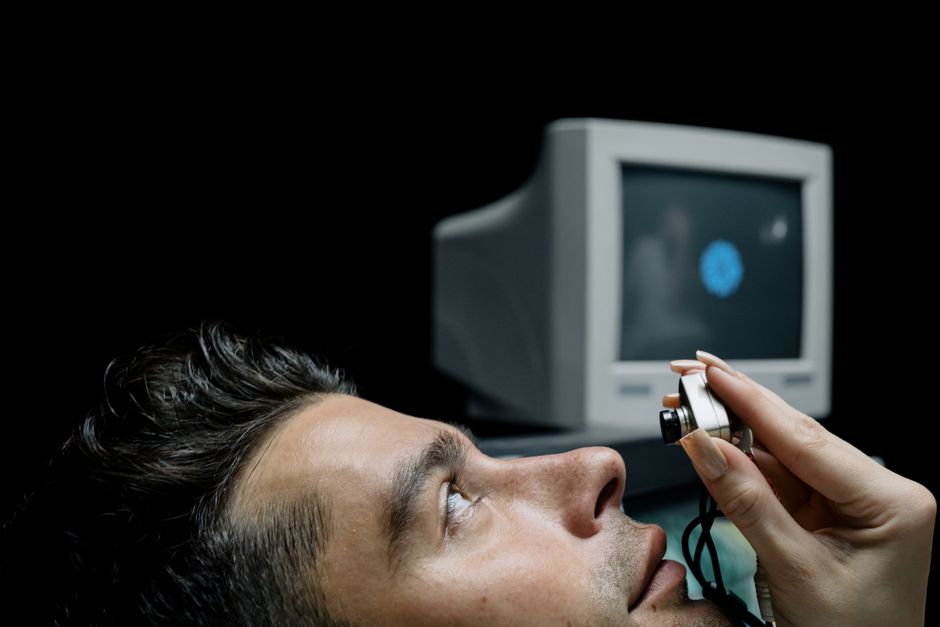
The Korean ophthalmology team confirms candidacy through a clinical examination combined with biometry — precise measurements of the eye's axial length and curvature that determine which IOL power will achieve the target refraction.
Screening also covers a few extra factors. Corneal conditions such as Fuchs' endothelial dystrophy may alter the surgical plan, and retinal disease like macular degeneration or diabetic maculopathy can limit the visual gain and must be disclosed.
Prior refractive surgery (LASIK, PRK) changes IOL power calculations and requires specialist biometry formulas, while diabetes can slow healing and raise infection risk, so stable glucose control is preferred before surgery.
Premium multifocal and toric lenses require stricter patient selection. Patients with significant dry eye, irregular corneas, or certain retinal conditions may be guided toward a monofocal lens instead.
Final suitability is confirmed on arrival after the in-person examination. Patients should bring any existing spectacle prescription and a list of current medications.
How the Procedure Works
The pre-operative examination and biometry are typically completed the same day as or the day before surgery. Measurements take approximately 30–45 minutes.
On the day of surgery:
Preparation — Pupil-dilating drops are instilled 30–60 minutes before the procedure. Topical anesthetic drops numb the eye surface; the patient remains awake and comfortable throughout.
Access — A small incision (typically 2–3 mm) is made at the edge of the cornea. A second, smaller side-port incision is added for instrument access.
Capsulotomy — A circular opening is made in the front of the lens capsule (the thin membrane holding the lens). With femtosecond laser assistance, this step is performed by the laser rather than by hand.
Phacoemulsification — An ultrasound probe breaks the clouded lens nucleus into fragments, which are simultaneously aspirated. Remaining soft cortex is cleaned from the capsule.
IOL implantation — The chosen IOL, folded within an injector, is inserted through the original incision and unfolds inside the capsule to its final position.
Closure — The corneal incision is self-sealing. Stitches are rarely needed. Antibiotic drops are instilled and a protective shield placed over the eye.
The patient rests briefly, receives written discharge instructions, and goes home the same day. A next-day review is standard practice.
Recovery Timeline
Vision is typically blurry immediately after surgery as the eye adjusts and the pupil slowly returns to normal size. Most patients notice significantly improved and useful vision within 72 hours.
Full visual stabilization takes several weeks as the eye heals and the brain adapts to the new lens. A final spectacle prescription — if still needed — is issued only after vision has settled, usually 4–6 weeks post-surgery.
Standard post-operative drop regimen: - Antibiotic drops — typically 2–4 weeks - Anti-inflammatory (steroid) drops — tapered over 4–6 weeks - Lubricating drops as needed
Activity restrictions in the early weeks: - Avoid rubbing or pressing on the eye - No swimming or immersion in water (pool, sea, hot tub) for at least 2–4 weeks - Avoid dusty, smoky, or dirty environments - No heavy lifting or strenuous exercise for 1–2 weeks
Flying — Most teams clear patients to fly within a few days of the next-day review, provided healing is progressing normally. Confirm the specific timeline with your Korean coordinator before booking return travel.
VAT refund — Overseas visitors are eligible for a refund of Korean Value Added Tax on medical fees. The clinic's international patient desk will provide the necessary documentation before departure.

Cost Breakdown
Cataract surgery costs in Korea vary primarily based on the lens type chosen and whether femtosecond laser-assisted steps are included.
Per-eye cost ranges: - Monofocal IOL (standard phacoemulsification): ~$750–$1,800 USD - Premium multifocal or EDOF IOL: ~$1,800–$3,500 USD per eye - Toric IOL (astigmatism correction): ~$1,500–$3,000 USD per eye - Femtosecond laser upgrade: adds $300–$700 per eye
Indicative international patient package ($2,000–$5,000) should include: - Pre-operative examination and biometry - Surgeon fee - Facility and operating room fee - IOL (lens) cost - Next-day follow-up review - International patient coordination and language support
Patients treating both eyes should request a combined quote, as some facilities offer package pricing for bilateral procedures completed within the same visit.
Additional costs to budget for: return flights and accommodation (3–5 nights), any additional follow-up visits, and optional travel insurance that covers medical complications.
VAT refund — A portion of the Korean VAT paid on medical fees is recoverable by overseas visitors through the medical VAT refund scheme. Collect documentation from the clinic before leaving Korea.
| Item | Typical Cost in Korea (USD) |
|---|---|
| Monofocal IOL — standard phacoemulsification (per eye) | $750–$1,800 |
| Multifocal or EDOF IOL (per eye) | $1,800–$3,500 |
| Toric IOL for astigmatism (per eye) | $1,500–$3,000 |
| Femtosecond laser upgrade (per eye) | $300–$700 additional |
| Indicative bilateral international package | $2,000–$5,000 |
Why Korea
Korea's international healthcare system is governed by the Ministry of Health and Welfare and promoted through KHIDI (Korea Health Industry Development Institute). Clinics and hospitals serving overseas patients are subject to national accreditation standards enforced by KOIHA (Korea International Medical Association).
For cataract and refractive eye surgery, Korea has particular strengths:
Workflow efficiency — Many specialist eye clinics compress examination, biometry, and same-day surgery into a single visit for suitable patients. The 3–5 day total stay is genuinely achievable.
Technology availability — Femtosecond laser platforms, premium IOL ranges (including the latest EDOF designs), and advanced biometry systems are widely available at major eye clinics in Seoul and Busan.
International patient infrastructure — Accredited facilities offer dedicated international patient coordinators, multilingual staff, and structured pre-departure documentation including VAT refund paperwork and medical summaries for the patient's home ophthalmologist.
Cost positioning — Even with premium lenses, costs are typically lower than comparable procedures in the United States, United Kingdom, or Australia, without sacrificing equipment or surgical volume.
Patients should request a facility's KOIHA accreditation number and verify it on the KOIHA or medicalkorea.or.kr portal before booking.
Key Takeaways
- Cataract surgery in Korea is a day-case procedure — 15–30 minutes per eye, discharged the same day — making a 3–5 day total visit realistic for bilateral treatment
- IOL type (monofocal vs multifocal/EDOF/toric) is the main cost driver and requires pre-screening; confirm your lens choice with the clinic before travelling
- Useful vision typically returns within 72 hours, but final spectacle prescription is only issued after vision stabilizes over several weeks — plan follow-up with your home ophthalmologist
- Korean facilities accredited by KOIHA offer structured international patient services including coordination, language support, and VAT refund documentation
Frequently Asked Questions
What is the difference between a monofocal and a premium (multifocal/EDOF) lens?
A monofocal IOL is set to one focal distance, usually distance vision, so most patients still need reading glasses. Multifocal and EDOF (extended depth of focus) lenses provide useful vision at more than one distance, reducing or eliminating spectacle dependence for many tasks. Premium lenses cost more per eye and require stricter selection: significant dry eye, irregular corneas, or certain retinal conditions may disqualify a patient. Your Korean ophthalmologist advises after the pre-operative examination.
Will I be asleep or awake during the procedure?
You will be awake. Cataract surgery under topical anesthesia uses numbing eye drops rather than injections or general anesthesia. The eye is completely insensitive to pain during the procedure. Most patients report no discomfort; some describe mild pressure sensations. The surgery itself takes 15–30 minutes per eye, and patients typically describe the experience as brief and well-tolerated.
Can I have both eyes treated in a single trip to Korea?
Yes. This is one of the practical advantages of travelling to Korea for cataract surgery. Most Korean eye clinics routinely treat the second eye a few days after the first — once the next-day review confirms the first eye is healing as expected. A total stay of 3–5 days is typically sufficient to complete pre-operative examination, both surgeries, and the post-operative review. Confirm the inter-eye interval with your clinic during pre-travel planning.
When will my vision clear, and when can I fly home?
Most patients have useful, functional vision within 72 hours of surgery, then vision continues to improve over several weeks as the eye heals. For flying, most teams clear patients within a few days of the next-day review, typically 3 to 5 days after surgery, provided healing is normal. Confirm your specific clearance date with your surgeon before booking return travel. Final spectacles, if needed, are prescribed by your home optometrist after vision stabilizes, usually 4 to 6 weeks post-surgery.
What should be included in the quoted price?
A complete international patient quote should cover: pre-operative examination and biometry, surgeon fee, operating facility fee, the cost of the IOL itself, and the next-day follow-up review. Ask your clinic or coordinator to confirm in writing exactly what is and is not included. Common exclusions to check for: femtosecond laser upgrade, premium lens surcharge, additional follow-up visits, and medication (post-operative eye drops). Accommodation, flights, and travel insurance are always separate.
How does the Korean medical VAT refund work for overseas visitors?
Korea operates a medical VAT refund scheme allowing overseas patients to recover a portion of the Value Added Tax paid on eligible medical fees. The refund is processed before departure — you cannot claim it retrospectively once you have left Korea. Ask the clinic's international patient desk to prepare the VAT refund documentation at your final review appointment, and allow time to complete the process at the designated refund counter before your flight.
Related Topics
Sources
Ready to Begin Your Journey?
Get matched with KAHF-accredited hospitals and receive a personalized treatment plan.
Quick Facts
Typical Cost
$2000 - $5000
Duration
5 days
Accredited Hospitals
2+ Available
Available Cities
Medical Information Disclaimer
The information provided on this page about Cataract Surgery is for general educational and informational purposes only. It is not intended as, and should not be construed as, medical advice, diagnosis, or treatment recommendations.
Always seek the advice of a qualified healthcare professional regarding any medical condition or treatment. Never disregard professional medical advice or delay seeking it because of information found on this website. Individual treatment outcomes may vary. Costs shown are estimates and may differ based on individual circumstances.
KmedTour acts as a medical tourism facilitator and does not provide direct medical services. All treatments are performed by independently accredited healthcare providers in South Korea.