Cardiac$1000 - $3000⭐ KAHF Accredited Hospitals
Cardiovascular Physiology Assessment in Korea
Full cardiac workup in South Korea — ECG, echocardiography, stress testing, and haemodynamic monitoring in accredited facilities.
Quick Answer
- South Korea offers full cardiovascular physiology assessments combining resting ECG, echocardiography, treadmill or pharmacological stress tests, and haemodynamic monitoring in a single structured visit.
- Typical assessment duration is 3–6 hours across one or two clinic days, with no overnight hospital stay required for a diagnostic-only workup.
- All-inclusive packages in Korea range from approximately $400–$2,200 USD, depending on the number of modalities included and the hospital tier.
- Facilities are regulated under KOIHA and Korea's national hospital accreditation system, which sets international-aligned standards for foreign patient care.
At a Glance
| Assessment duration | 3–6 hours (single visit); 1–2 days if extended panels requested |
|---|---|
| Anesthesia | None required for standard assessment; mild sedation only if invasive haemodynamic catheterisation is added |
| Hospital stay | Outpatient — no overnight admission for non-invasive workup |
| Recommended stay in Korea | 3–5 days (assessment + results consultation + repeat if needed) |
| Recovery | No downtime; patients may resume normal activity immediately after non-invasive testing |
| Typical cost in Korea | $400–$2,200 USD (basic to premium multi-modality panels) |
Overview
A cardiovascular physiology assessment is a structured, multi-modal diagnostic workup designed to evaluate how the heart and vascular system function both at rest and under controlled stress.
The core components typically include:
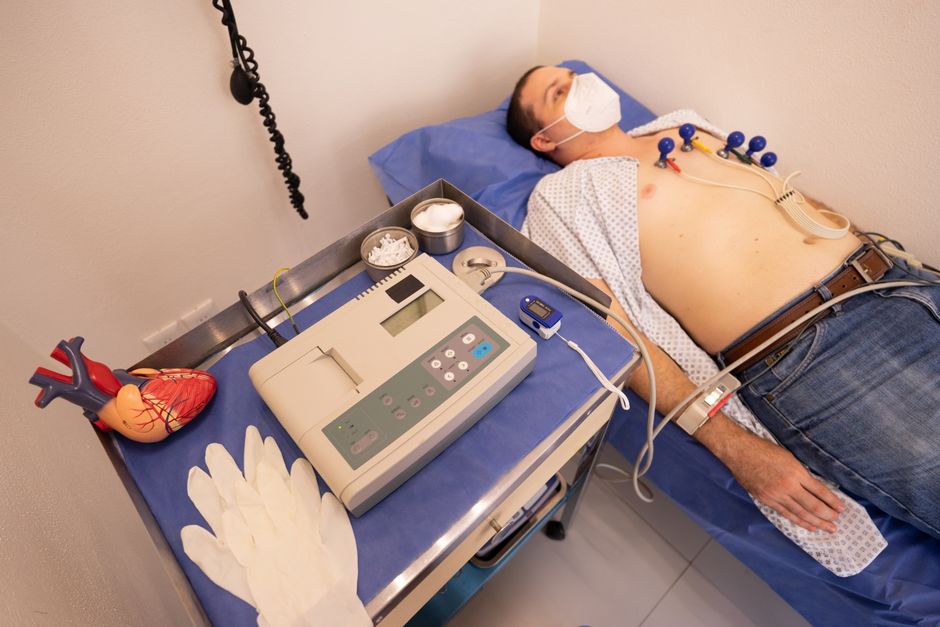
- Resting 12-lead ECG — records the heart's electrical activity and screens for arrhythmias, conduction defects, and prior ischaemic events.
- Transthoracic echocardiography — uses ultrasound imaging to assess chamber size, wall motion, valve function, and ejection fraction.
- Exercise or pharmacological stress testing — stresses the heart via treadmill, stationary cycle, or IV agents (e.g., dobutamine) to reveal ischaemia or exercise-induced arrhythmias not visible at rest.
- Haemodynamic monitoring — tracks blood pressure, heart rate, oxygen saturation, and, in more detailed protocols, diastolic filling pressures and pulmonary artery systolic pressure during and after stress.
Together these modalities give clinicians a functional portrait of cardiac reserve and risk — information that guides treatment decisions, surgical planning, or lifestyle recommendations.
Some Korean centres also incorporate:
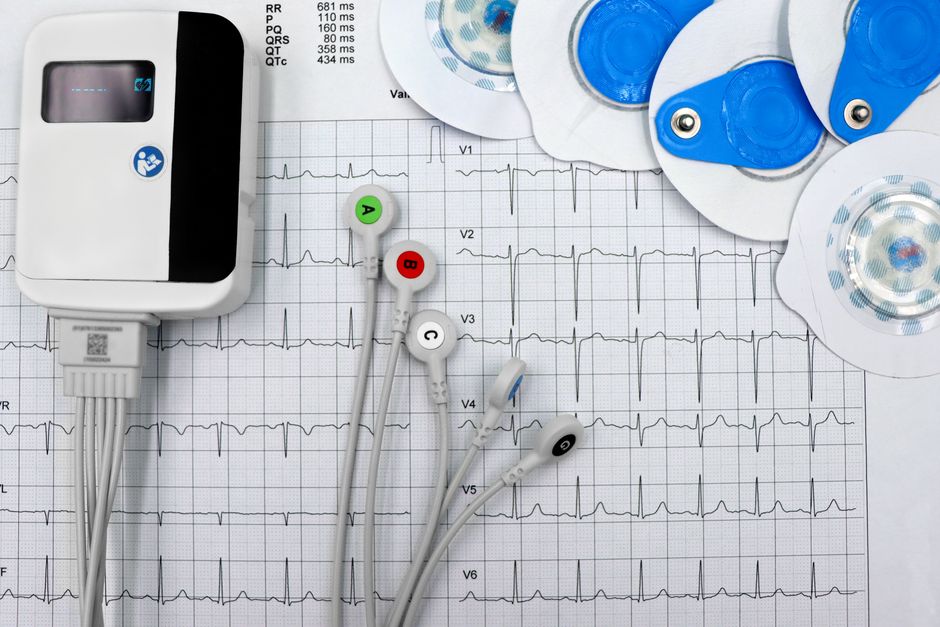
- Holter monitoring (24–48-hour ambulatory ECG)
- Coronary calcium scoring via CT
- Cardiopulmonary exercise testing (CPET) combining metabolic and ventilatory data with real-time imaging
Bring a complete medication list
Korean cardiologists will need your current medications, especially beta-blockers and calcium channel blockers, before scheduling a stress test — certain drugs must be paused 24–48 hours in advance under medical guidance.
Am I a Candidate?
Cardiovascular physiology assessment is appropriate for a wide range of individuals — from those with known cardiac conditions seeking a detailed baseline to healthy adults pursuing preventive screening.
Commonly indicated for people who:
- Experience unexplained chest tightness, breathlessness on exertion, or palpitations
- Have a family history of early heart disease or sudden cardiac events
- Are preparing for major non-cardiac surgery requiring preoperative cardiac clearance
- Have existing conditions such as hypertension, type 2 diabetes, or dyslipidaemia that raise cardiovascular risk
- Are elite athletes needing sports cardiology screening
- Are executives or high-risk travellers seeking a thorough preventive checkup
People who should discuss suitability with their physician before booking:
- Those with recent acute cardiac events (within 4–6 weeks)
- Those with uncontrolled severe hypertension or active chest pain at rest
- Those unable to exercise, where pharmacological stress protocols must be planned in advance
Korean health check-up centres are experienced at adapting assessment pathways for foreign patients and will typically conduct a pre-visit intake to tailor the panel.
How the Procedure Works
Most Korean hospitals follow a structured sequence for an outpatient cardiovascular physiology assessment.
Registration and intake (30–45 min)
Medical history review, current medication list, preliminary blood work (lipid panel, fasting glucose, cardiac biomarkers if indicated), and baseline anthropometric measurements.
Resting ECG (10–15 min)
Electrodes placed on the chest, limbs, and occasionally the back. The 12-lead tracing is read immediately by a cardiologist or AI-assisted reading system.
Transthoracic echocardiography (20–45 min)
A probe is moved across the chest wall while the patient lies on their side. The sonographer captures multiple views to measure:
- Left ventricular ejection fraction (LVEF)
- Wall motion abnormalities
- Valve competency and gradients
- Diastolic function grading
Stress test (30–60 min including recovery)
For exercise stress: the patient walks and then jogs on a treadmill or rides a stationary bike. For patients unable to exercise, dobutamine or adenosine is administered intravenously. ECG and blood pressure are monitored continuously. If stress echocardiography is included, imaging is performed at peak stress and immediately after.
Haemodynamic monitoring and data review (20–30 min)
Blood pressure response curves, heart rate recovery trajectory, oxygen saturation, and — in extended protocols — pulmonary pressures are compiled.
Results consultation (30–45 min)
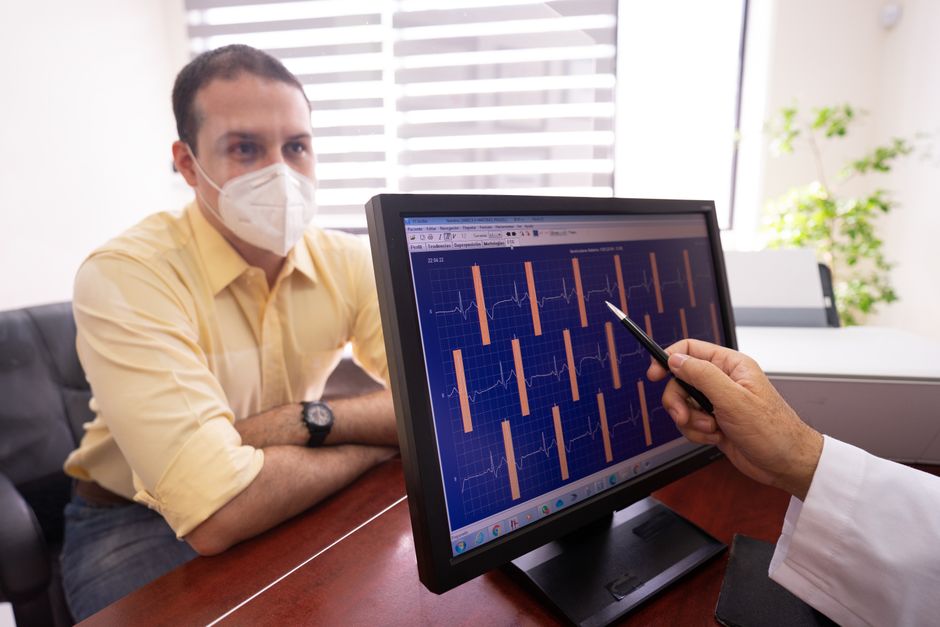
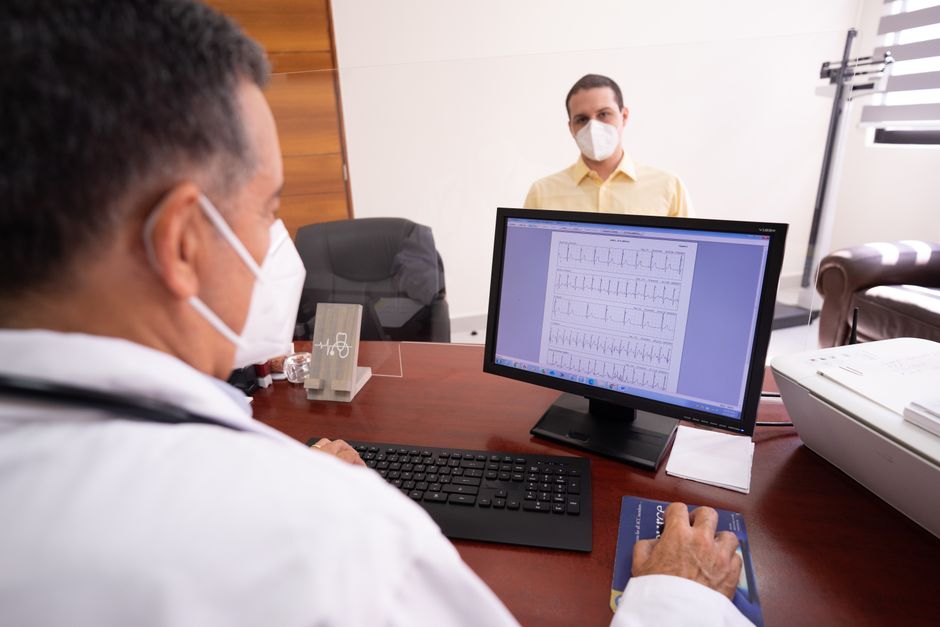
A cardiologist reviews findings with the patient, typically with an English-language report provided on the same or next day. Many centres offer a written summary formatted for the patient's home-country physician.
Recovery Timeline
Cardiovascular physiology assessment is non-invasive in its standard form and carries no post-procedure recovery requirement.
Immediately after testing
Patients rest briefly in the monitoring area (15–30 minutes) while heart rate and blood pressure return to baseline. Light refreshments are typically offered at Korean health check-up centres.
Same day
Most patients can eat a normal meal, return to their hotel, and engage in light sightseeing. Strenuous physical exertion is discouraged for the remainder of the day as a precaution.
Day 1–2 after assessment
No restrictions apply. If results indicate a need for follow-up imaging or a repeat stress test, this is usually schedulable within the same Korea stay.
Before flying home
Patients should collect their full digital report and image files. Many Korean hospitals provide a structured summary letter addressed to the referring physician, which aids continuity of care after return.
If invasive haemodynamic catheterisation was added
A short observation period of 2–4 hours is required, with a recommendation to avoid driving on the same day. This is the exception, not the rule, for a standard physiology assessment visit.
Cost Breakdown
Korean cardiovascular assessment pricing reflects a transparent, fixed-fee model — most centres quote a package price that covers all tests within a defined panel.
Basic cardiac screening panel ($400–$700 USD)
Typically includes resting ECG, standard echocardiography, basic blood work, and a cardiologist consultation. Suitable for healthy adults seeking a routine baseline.
Standard cardiovascular physiology assessment ($700–$1,200 USD)
Adds exercise or pharmacological stress testing with continuous haemodynamic monitoring. Covers most clinical use cases for international patients.
Premium multi-modality panel ($1,200–$2,200 USD)
Includes all of the above plus coronary calcium CT scoring, Holter monitoring, CPET, and extended specialist consultation. Common at university hospital health check-up centres.
Costs are approximately 40–60% below equivalent multi-modality cardiac workups in the United States, and the gap is wider for panels that include CT-based imaging.
What is typically NOT included:
- Airfare and accommodation
- Translation services beyond standard English-language reports
- Any treatment procedures triggered by assessment findings — these are quoted separately
- Invasive haemodynamic catheterisation if clinically indicated
| Item | Typical Cost in Korea (USD) |
|---|---|
| Basic cardiac screening (ECG + echo + consult) | $400–$700 |
| Standard cardiovascular physiology assessment (+ stress test + haemodynamics) | $700–$1,200 |
| Premium panel (+ coronary calcium CT + Holter + CPET) | $1,200–$2,200 |
| Holter monitoring add-on (24–48 hour ambulatory ECG) | $80–$180 |
| Cardiologist follow-up consultation (results review) | $50–$150 |
Why Korea
South Korea has built a cardiology infrastructure that rivals the largest medical systems in the world, driven by decades of public and academic investment.
Government-backed infrastructure
The Korea Health Industry Development Institute (KHIDI) oversees the Medical Korea programme, which actively recruits and supports international patients seeking high-quality care. The programme sets service standards, manages coordinator networks, and provides a formal complaint and redress mechanism.
Accreditation depth
Korea operates two parallel quality frameworks relevant to cardiovascular care:
- Korea Institute for Healthcare Accreditation (KOIHA) — the national accreditation body for hospitals, setting standards aligned with international benchmarks.
- KAHF (Korean Association of Hospitals for Foreigners) — a Medical Korea sub-programme certifying institutions equipped to serve international patients.
Clinical volume and subspecialisation
Major Seoul hospitals handle cardiac caseloads comparable to top-tier Western academic centres. Cardiology departments frequently subdivide into arrhythmia, heart failure, imaging, and interventional subspecialties — ensuring that a physiology assessment is read by a dedicated cardiac imaging specialist.
Efficiency for international patients
Korean health check-up centres are designed for same-day, multi-modality throughput. A workup that might take 3–4 clinic visits in some countries is completed in a single structured day.
Key Takeaways
- South Korea provides full cardiovascular physiology assessments — ECG, echocardiography, stress testing, and haemodynamic monitoring — in a single outpatient visit at KOIHA-accredited facilities.
- All-inclusive packages cost approximately $400–$2,200 USD, typically 40–60% below comparable multi-modality workups in the United States.
- The Medical Korea / KHIDI programme and KOIHA accreditation provide an institutional quality and redress framework that benefits international patients.
- No recovery time is needed after a standard non-invasive assessment; most patients can fly home within 3–5 days of arriving in Korea.
Frequently Asked Questions
Do I need a referral from my home-country doctor to book a cardiovascular physiology assessment in Korea?
No formal referral is required by most Korean health check-up centres. However, bringing a summary of your medical history, current medications, and any previous cardiac test results will help the Korean cardiologist tailor the assessment and interpret findings in context.
Will I receive my results in English?
Yes. Facilities registered under the Medical Korea / KAHF programme provide English-language reports as a standard service. Full digital reports with images are typically available within 24 hours of the assessment, and many centres also offer a printed summary letter addressed to your home physician.
Is the stress test safe, and what happens if I have a cardiac event during testing?
Stress tests at accredited Korean hospitals are performed with continuous ECG monitoring, a crash cart on standby, and a cardiologist present or immediately available. Testing is stopped immediately if you reach target heart rate, develop chest pain, significant arrhythmia, or abnormal blood pressure response. The absolute risk of a serious adverse event during a supervised hospital-based stress test is very low in appropriately screened patients.
Can I combine a cardiovascular physiology assessment with other health screening on the same trip?
Yes — this is a common use case for international patients in Korea. Many premium health check-up packages bundle cardiovascular assessment with oncology screening, brain MRI, and metabolic panels within the same 1–2 day visit. Coordinate with the hospital's international patient team in advance to design a combined schedule.
What is the difference between a standard cardiac checkup and a full cardiovascular physiology assessment?
A standard cardiac checkup typically covers a resting ECG and basic echocardiography. A full cardiovascular physiology assessment adds dynamic stress testing and haemodynamic monitoring, which reveals how the heart responds under load — catching abnormalities that are invisible at rest. This dynamic component is what distinguishes a physiology-level assessment from a routine screen.
Does KOIHA accreditation mean the hospital meets international standards?
KOIHA (Korea Institute for Healthcare Accreditation) sets standards aligned with international quality benchmarks and has been associated in peer-reviewed literature with improved patient outcomes in cardiovascular disease categories. It is Korea's national programme and covers most major hospitals serving international patients under the Medical Korea framework.
Related Topics
Sources
Ready to Begin Your Journey?
Get matched with KAHF-accredited hospitals and receive a personalized treatment plan.
Quick Facts
Typical Cost
$1000 - $3000
Duration
1 days
Accredited Hospitals
0+ Available
Top Hospitals
Medical Information Disclaimer
The information provided on this page about Cardiovascular Physiology Assessment is for general educational and informational purposes only. It is not intended as, and should not be construed as, medical advice, diagnosis, or treatment recommendations.
Always seek the advice of a qualified healthcare professional regarding any medical condition or treatment. Never disregard professional medical advice or delay seeking it because of information found on this website. Individual treatment outcomes may vary. Costs shown are estimates and may differ based on individual circumstances.
KmedTour acts as a medical tourism facilitator and does not provide direct medical services. All treatments are performed by independently accredited healthcare providers in South Korea.