Preventive$600 - $2000⭐ KAHF Accredited Hospitals
Cardiac Health Screening in Korea
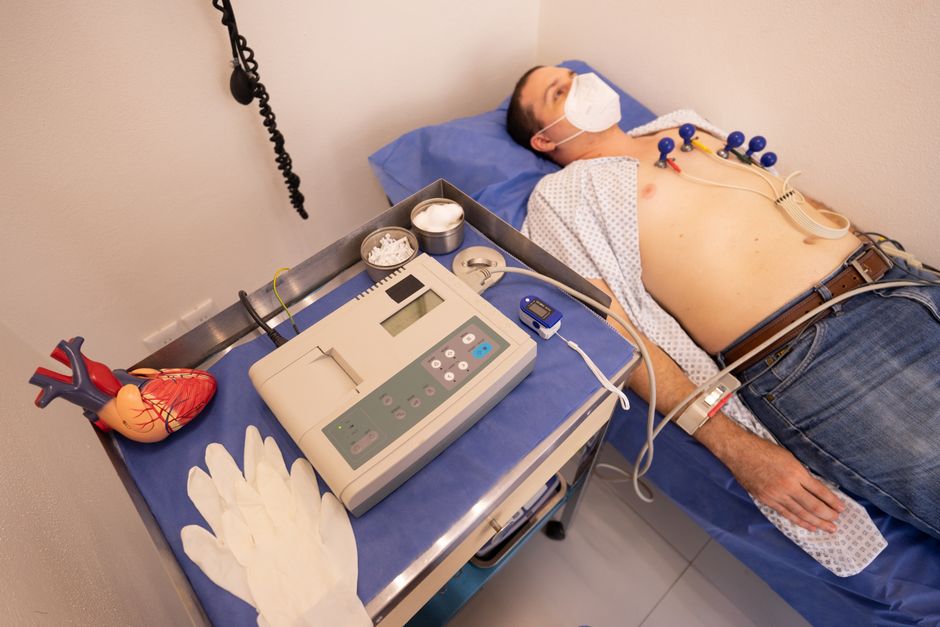
A non-invasive heart check-up in Korea bundling ECG, echocardiogram, stress test and coronary CT to catch silent cardiovascular risk early.
Quick Answer
- A cardiac screening in Korea is a non-invasive, outpatient package — typically ECG, echocardiogram, treadmill stress test, lipid panel and often coronary CT angiography with a calcium score.
- Most international patients finish the test sequence in a single day, with no anesthesia and no recovery time.
- Bundled cardiac screening packages in Seoul commonly run roughly $400–$1,500 USD, with stand-alone coronary CT angiography often around $550–$1,050 USD.
- Plan a short 1–3 day stay in Korea to allow same-day or next-day result review with a cardiologist.
At a Glance
| Procedure time | Roughly 2–4 hours of tests across one screening day |
|---|---|
| Anesthesia | None — all tests are non-invasive |
| Hospital stay | Outpatient / same day (no admission) |
| Recommended stay in Korea | About 1–3 days, allowing for result review |
| Recovery | None — normal activity immediately afterward |
| Typical cost in Korea | Approx. $400–$1,500 USD depending on package depth |
Overview
A cardiac health screening is a non-invasive package designed to detect cardiovascular risk before symptoms appear. It does not involve surgery or anesthesia.
In Korea, screening centers commonly bundle several tests into one visit:
- Electrocardiogram (ECG) — records the heart's electrical rhythm.
- Echocardiogram — ultrasound of heart structure, valves and pumping function.
- Treadmill stress test — monitors the heart under exertion.
- Lipid panel and related blood work — cholesterol and metabolic markers.
Many premium packages add coronary CT angiography and a coronary artery calcium score, which image the coronary arteries for narrowing or calcium buildup.
The goal is early detection of silent issues such as arterial calcification, valve abnormalities or rhythm disturbances, so a cardiologist can advise on prevention or further care.
Fast before your appointment
Most blood panels and some imaging require fasting, often for 8 hours or more. Confirm the exact fasting and medication instructions with your coordinator before the screening day.
Confirm what's in the package
"Cardiac screening" means different things at different centers. Ask for an itemized English list so you know whether coronary CT angiography and a calcium score are included before comparing prices.
Am I a Candidate?
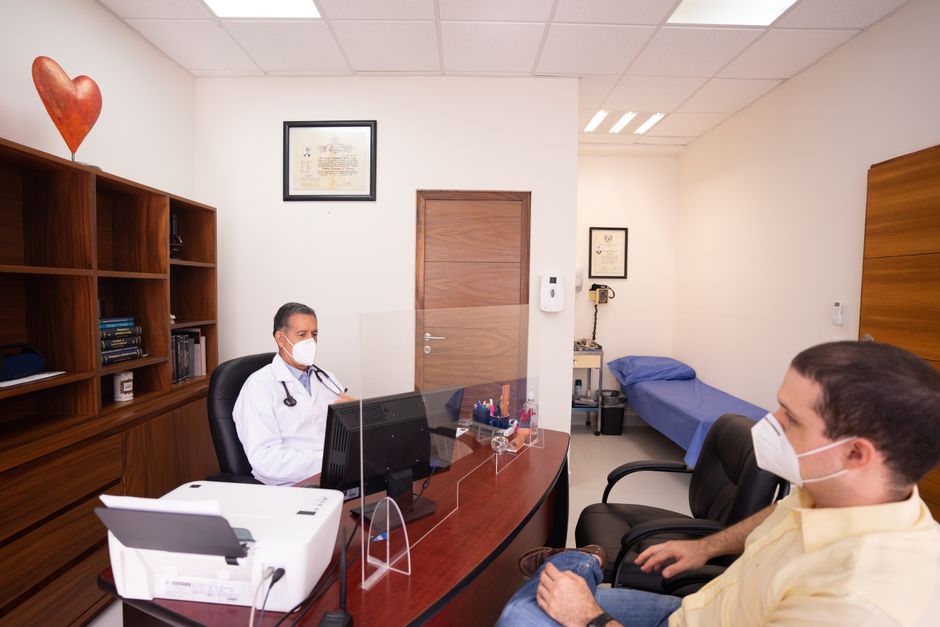
Cardiac screening suits adults who want a clear baseline picture of heart health, especially those with risk factors or a family history.
You may benefit if you:
- Are over 40, or younger with a strong family history of heart disease.
- Have high blood pressure, diabetes, high cholesterol or are a smoker.
- Experience occasional chest tightness, breathlessness or palpitations.
- Want an executive-style baseline before lifestyle changes or travel.
Screening is not the same as emergency care. Anyone with acute chest pain, fainting or severe shortness of breath should seek urgent hospital treatment, not an elective check-up.
The specific tests included are tailored to your age, symptoms and risk profile during an initial consultation. Pregnant patients and those with certain kidney issues should disclose this, as contrast-based coronary CT may be adjusted or avoided.
How the Procedure Works
A screening day in Korea typically runs as a smooth, coordinated sequence rather than a single procedure.
- Check-in and consultation — an international coordinator registers you; a clinician reviews history and risk factors.
- Blood draw — for the lipid panel and metabolic markers, usually after a short fast.
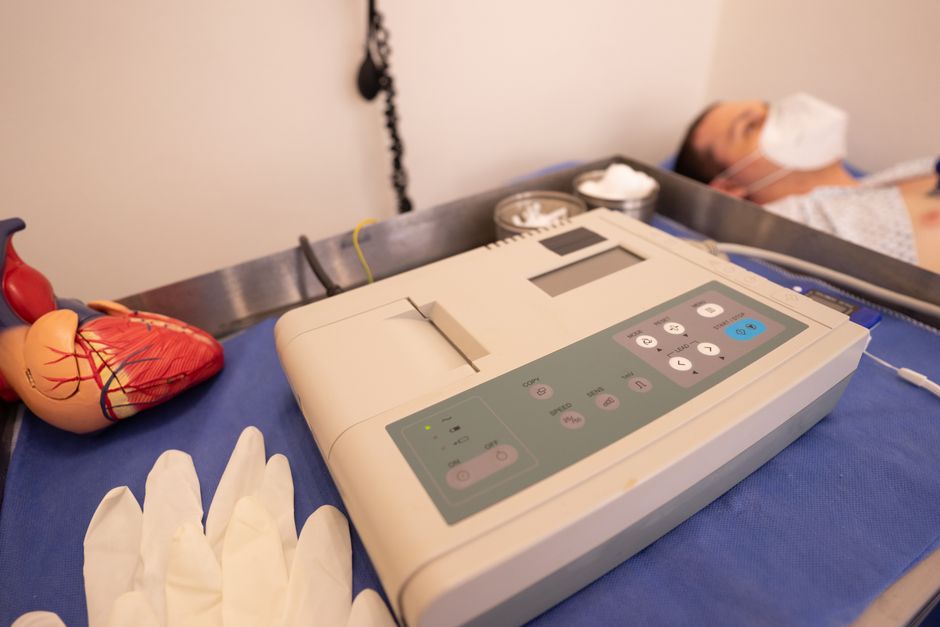
- ECG — a few minutes of resting electrical recording.
- Echocardiogram — ultrasound imaging of the heart, painless and non-invasive.
- Treadmill stress test — walking at increasing intensity while heart rhythm and blood pressure are monitored.
- Coronary CT angiography / calcium score (if included) — a short CT scan, sometimes with contrast dye, to assess the coronary arteries.
The full sequence commonly takes 2–4 hours. There is no anesthesia, no incision and no admission.
Recovery Timeline
Because nothing invasive is performed, there is no physical recovery — you can eat, walk and travel normally once testing ends.
What matters is the results turnaround:
- ECG, echocardiogram and stress test are often reviewed the same day.
- Blood panel results are typically ready same day or next day.
- Coronary CT angiography images may take a day or so for full radiologist reporting.
Many Seoul centers provide a printed English-language report and a cardiologist consultation to walk through findings, explain any abnormal values, and recommend next steps such as lifestyle changes, medication review, or referral for further cardiac care.
If contrast dye was used for coronary CT, drinking water afterward is commonly advised to help clear it. Follow-up with your home physician is encouraged so results integrate with your ongoing care.
Cost Breakdown
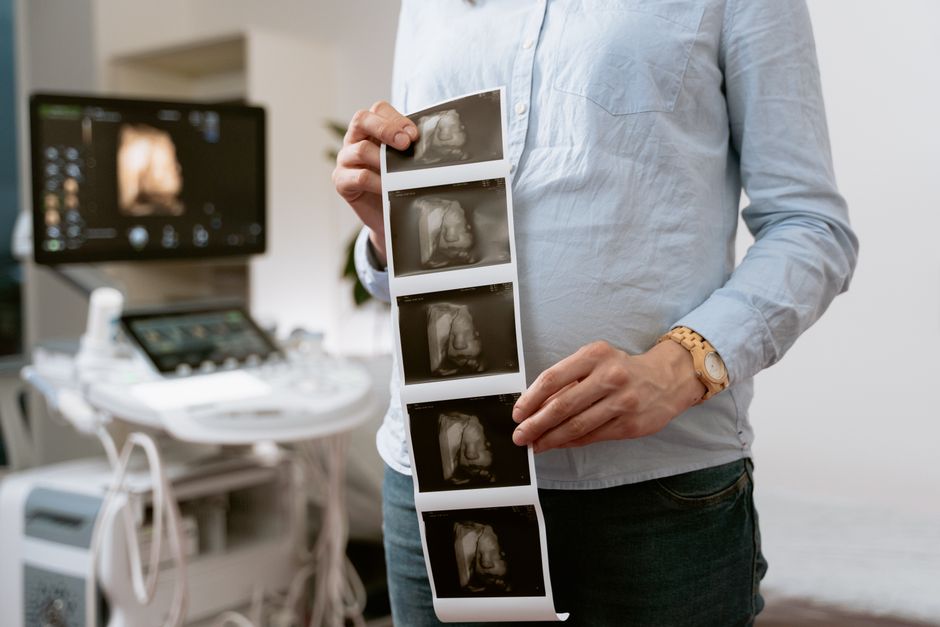
Cardiac screening is priced as a package, and the total depends on how many imaging tests are included.
General guidance from Seoul screening centers:
- A basic heart-focused panel (ECG, echocardiogram, stress test, blood work) tends to sit at the lower end of the range.
- Adding coronary CT angiography and a calcium score moves the package toward the upper end.
Reported figures include coronary CT angiography averaging around $800 USD (commonly $550–$1,050), and broader comprehensive check-ups with cardiac components in the $800–$1,200 USD band. Premium executive programs that layer in extra imaging can run higher.
Korean centers generally use fixed, transparent pricing with English itemization. Always confirm exactly which tests your quoted package includes, since "cardiac screening" varies widely between providers. Treat all figures as approximate USD ranges.
| Item | Typical Cost in Korea (USD) |
|---|---|
| Heart-focused panel (ECG, echo, stress test, blood work) | $400–$700 |
| Coronary artery calcium score (CT) | $200–$500 |
| Coronary CT angiography | $550–$1,050 |
| Comprehensive cardiac screening package | $800–$1,500 |
| International coordination / English report | $0–$200 |
Why Korea
Korea has become a leading destination for health screening, supported by both technology and a strong support system for international patients.
- Advanced cardiac imaging — Korean hospitals are known for high-quality CT and ultrasound, and have actively developed automated coronary calcium scoring.
- Concentrated expertise — Seoul, including the Gangnam district, hosts dedicated health-screening centers and large university hospitals.
- Government framework — the Korea Health Industry Development Institute (KHIDI), under the Ministry of Health and Welfare, runs the official Medical Korea platform listing clinics designated for foreign patients.
- Medication and device oversight — the Ministry of Food and Drug Safety (MFDS) regulates pharmaceuticals and medical devices.
International patient centers typically offer English-speaking coordinators, fast scheduling and translated reports, making a same-trip cardiac check-up practical for visitors from abroad.
Key Takeaways
- Cardiac screening in Korea is a non-invasive, outpatient package — no anesthesia, no admission, and no recovery time.
- The screening day typically bundles ECG, echocardiogram, stress test and blood work, with coronary CT angiography and a calcium score in premium tiers.
- Plan a short 1–3 day stay so a cardiologist can review same-day or next-day results, delivered as a translated English report.
- Seoul's screening centers offer advanced imaging, fixed pricing and dedicated international patient support backed by KHIDI's Medical Korea framework.
Frequently Asked Questions
Is cardiac screening painful or invasive?
No. ECG, echocardiogram, stress test and blood work are all non-invasive. Coronary CT angiography is also non-invasive, though it may involve an IV contrast dye and a brief CT scan. There is no surgery, no anesthesia and no recovery period.
How long does a cardiac screening take in Korea?
The test sequence usually takes about 2 to 4 hours on a single screening day. Results for ECG, echocardiogram and stress tests are often reviewed the same day, while full coronary CT reporting may take an extra day.
How much does cardiac screening cost in Korea?
A heart-focused panel commonly starts in the lower hundreds of US dollars, while comprehensive packages with coronary CT angiography and a calcium score often run roughly $800–$1,500 USD. Stand-alone coronary CT angiography in Seoul averages around $800. All figures are approximate.
Will I get my results in English?
Most major Seoul screening centers have dedicated international patient services with English-speaking coordinators and provide a printed, translated English report. A cardiologist consultation to explain the findings is commonly included.
Do I need to fast before the screening?
Usually yes. Blood tests such as the lipid panel, and sometimes imaging, require fasting, often for 8 hours or more. Your coordinator will give exact fasting and medication instructions before your appointment.
Who should consider a cardiac screening?
It is well suited to adults over 40, anyone with a family history of heart disease, or those with risk factors like high blood pressure, diabetes, high cholesterol or smoking. People with acute chest pain or severe symptoms should seek emergency care instead.
Related Topics
Sources
Ready to Begin Your Journey?
Get matched with KAHF-accredited hospitals and receive a personalized treatment plan.
Quick Facts
Typical Cost
$600 - $2000
Duration
2 days
Accredited Hospitals
4+ Available
Top Hospitals
Medical Information Disclaimer
The information provided on this page about Cardiac Health Screening is for general educational and informational purposes only. It is not intended as, and should not be construed as, medical advice, diagnosis, or treatment recommendations.
Always seek the advice of a qualified healthcare professional regarding any medical condition or treatment. Never disregard professional medical advice or delay seeking it because of information found on this website. Individual treatment outcomes may vary. Costs shown are estimates and may differ based on individual circumstances.
KmedTour acts as a medical tourism facilitator and does not provide direct medical services. All treatments are performed by independently accredited healthcare providers in South Korea.