Preventive$800 - $2500⭐ KAHF Accredited Hospitals
Cancer Screening Package in Korea
What a comprehensive cancer screening package in South Korea includes, the screening-day flow, results turnaround, and typical USD costs in Seoul.
Quick Answer
- A Korean cancer screening package bundles endoscopy (gastroscopy + colonoscopy), low-dose chest CT, tumor-marker blood panels, ultrasound, and often PET-CT into a single outpatient visit.
- It is a same-day, mostly painless workup — sedation is used only for the endoscopy portion, and many centers give preliminary findings before you leave.
- Comprehensive packages in Seoul typically run about $900–$2,500 USD, roughly 40–70% less than equivalent screening in the US, UK, or Australia.
- Korea pairs a world-leading endoscopy and screening reputation with English-language reports, making it a strong destination for preventive check-ups.
At a Glance
| Procedure time | Half a day to a full day on-site (3–6 hours) |
|---|---|
| Anesthesia | None for most tests; light sedation for endoscopy only (optional) |
| Hospital stay | Outpatient — same day, no admission |
| Recommended stay in Korea | 3–5 days (allows fasting prep, screening day, and final report review) |
| Recovery | None — resume normal activity the same day (avoid driving if sedated) |
| Typical cost in Korea | ~$900–$2,500 USD for a comprehensive package |
Overview
A comprehensive cancer screening package (in Korean, 종합검진) bundles many preventive tests into a single coordinated outpatient visit rather than scheduling each one separately.
A typical package combines several pillars:
- Endoscopy — gastroscopy (upper) and often colonoscopy (lower), Korea's signature strength
- Imaging — low-dose chest CT, abdominal and thyroid ultrasound, and sometimes whole-body PET-CT
- Tumor-marker blood panels and routine labs
- Sex-specific screening — mammography and cervical smear, or PSA testing
The goal is early detection — catching cancers and precancerous changes before symptoms appear. Korea's National Cancer Screening Program has long targeted stomach, liver, colorectal, breast, and cervical cancer, and added lung screening more recently.
Foreign-patient centers in Seoul package these tests with English-language reporting and a physician consultation, so international visitors can complete a thorough workup in a single trip.
Fast and prep correctly the night before
Most accurate results depend on an overnight fast (usually 8+ hours). If colonoscopy is included, you must complete the bowel-prep laxative regimen the evening before — skipping it can mean rescheduling that test.
Confirm exactly what 'comprehensive' includes
Packages vary widely. Before booking, get a written list of tests — especially whether PET-CT, colonoscopy, and sedation are included or charged separately — so the quoted price matches what you actually receive.
Screening is not a diagnosis or a guarantee
A clear result lowers concern but cannot rule out every condition, and abnormal findings need follow-up testing such as biopsy. Share your report with your regular doctor at home.
Am I a Candidate?
Comprehensive screening suits adults who want a thorough baseline or have risk factors for cancer, even without symptoms.
You may be a strong candidate if you:
- Are over 40, when several cancers become more common
- Have a family history of stomach, colorectal, breast, liver, or lung cancer
- Have a long smoking history (relevant to low-dose chest CT)
- Carry risk factors such as chronic hepatitis, H. pylori, or heavy alcohol use
- Simply want a complete preventive check during a Korea visit
Screening is not a diagnosis or a guarantee. A clear result lowers concern but cannot rule out every condition, and abnormal findings usually need follow-up testing such as biopsy or repeat imaging.
Tell the booking team about pregnancy, allergies, kidney issues, or blood thinners — these affect which tests (contrast imaging, sedated endoscopy, colonoscopy prep) are appropriate. A pre-visit questionnaire helps tailor the package to your age, sex, and history.
How the Procedure Works
The screening day follows a coordinated route through different departments.
Preparation (day before):
- Fast overnight (typically 8+ hours, no food or drink)
- If colonoscopy is included, complete the bowel-prep laxative regimen the evening before
On the screening day:
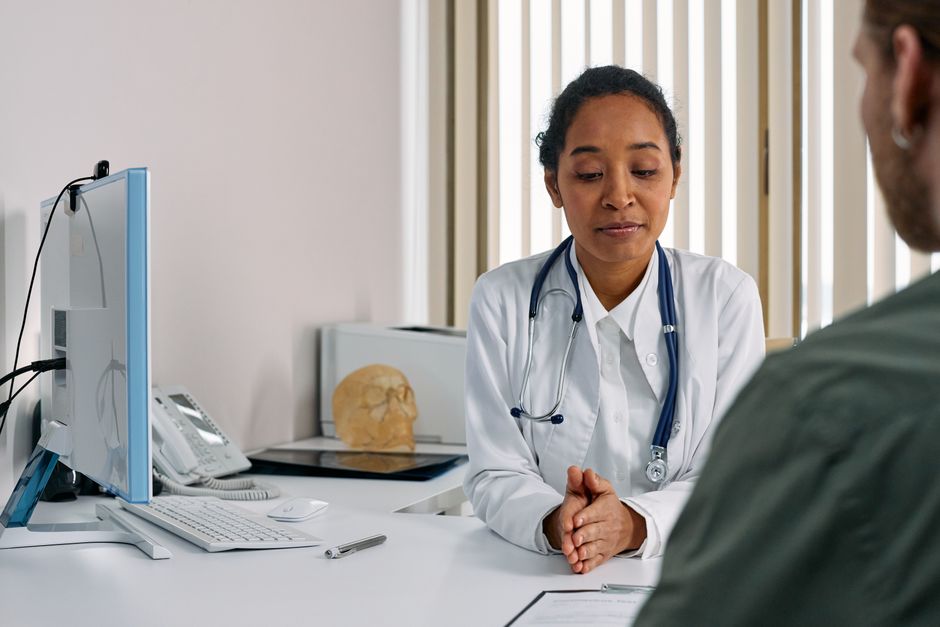
- Check-in and consultation — confirm history, review the test plan in English
- Blood and urine samples, blood pressure, height/weight, and basic measurements
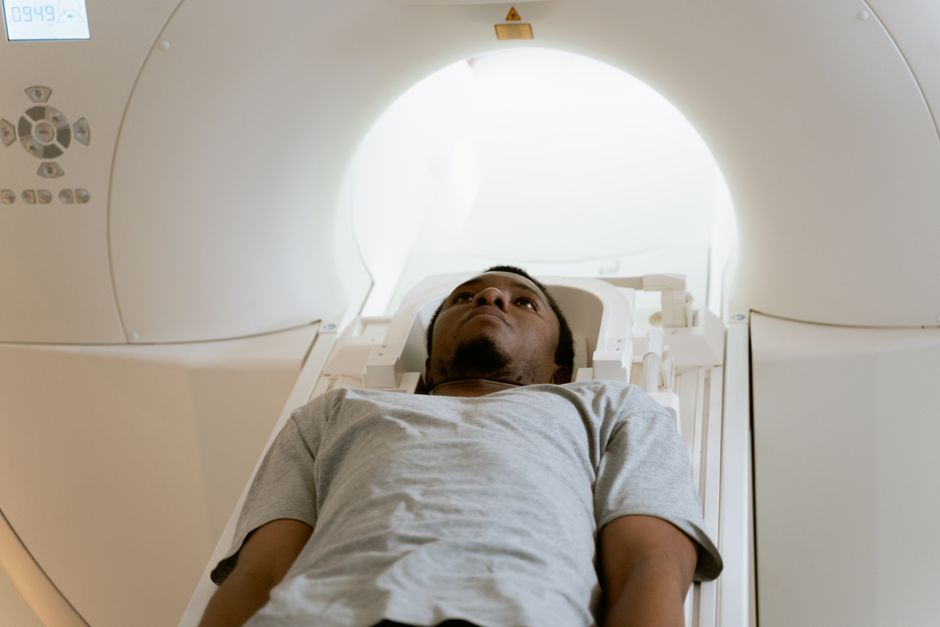
- Imaging — chest CT, ultrasound, mammography, and PET-CT if included
- Endoscopy — gastroscopy and/or colonoscopy, usually under light sedation so you feel little or nothing
- A short recovery rest after sedation before you are cleared to leave
Most tests are quick and non-invasive; endoscopy is the only part needing sedation. Coordinators guide you station to station so the day flows efficiently, and many Seoul centers offer same-day preliminary findings for several tests before you head back to your hotel.
Recovery Timeline
There is essentially no recovery from screening itself — the focus is on results turnaround and follow-up.
Same day:
- Resume eating and normal activity after sedation wears off
- Do not drive for the rest of the day if you were sedated for endoscopy
- Some centers share preliminary results for blood work and imaging before you leave
Within a few days:
- A comprehensive written report is prepared, typically in English, with a physician's interpretation
- This is why a 3–5 day stay is useful — it lets you review the final report and ask questions in person
Follow-up:
- A normal result means routine re-screening at the recommended interval
- An abnormal or borderline finding triggers next steps — repeat tests, a biopsy, or specialist referral
Because biopsies from endoscopy take time to process, the most detailed pathology results may follow after the imaging and lab summaries. Keep a digital copy of your report to share with your doctor at home.

Cost Breakdown
Costs depend almost entirely on how many tests the package includes — especially whether PET-CT, MRI, and full endoscopy are bundled in.
Approximate ranges in Seoul (self-pay, USD):
- Basic packages (labs, chest X-ray, basic ultrasound): roughly $110–$300
- Mid-tier with endoscopy: several hundred dollars
- Comprehensive cancer packages (endoscopy, tumor markers, low-dose CT, ultrasound, sex-specific screening, often PET-CT): about $900–$2,500
Korea's government-set endoscopy pricing is a major reason the country is so competitive, and comprehensive screening generally runs 40–70% less than equivalent workups in the US, UK, or Australia.
What may add to the base price:
- Sedation for endoscopy (often optional)
- PET-CT or MRI add-ons
- Translation or coordinator services and follow-up consultations
Always confirm exactly which tests are included before booking, since "comprehensive" varies between centers.
| Item | Typical Cost in Korea (USD) |
|---|---|
| Basic screening package (labs, X-ray, basic ultrasound) | $110–$300 |
| Package with gastroscopy (upper endoscopy) | $300–$700 |
| Comprehensive cancer package (endoscopy + CT + tumor markers + ultrasound) | $900–$1,800 |
| Premium package with PET-CT and/or MRI | $1,500–$2,500 |
| Optional endoscopy sedation | $50–$200 |
Why Korea
Korea has built a world-leading reputation in cancer screening and endoscopy, backed by a long-running national program and high procedure volumes.
Reasons international patients choose Korea:
- Endoscopy excellence — Korea is widely regarded as a global leader in gastroscopy and colonoscopy, with government-regulated pricing that keeps costs low
- Advanced equipment — high-field MRI and PET-CT scanners are standard at major Seoul centers
- Efficient packaging — many tests completed in a single outpatient day, with same-day preliminary results common
- Strong value — meaningfully cheaper than Western countries for comparable screening
Seoul, including the Gangnam district, concentrates dedicated health-screening centers and international clinics with English-speaking staff and English reports.
Korea's medical-tourism ecosystem is supported by government bodies such as KHIDI and the Medical Korea initiative, while medicines and devices are regulated by the Ministry of Food and Drug Safety (MFDS). Each year, large numbers of international patients visit Korea, with preventive screening among the most popular services.
Key Takeaways
- A Korean comprehensive cancer screening package bundles endoscopy, imaging, tumor markers, and often PET-CT into a single same-day outpatient visit.
- Plan a 3–5 day stay: overnight fasting and prep, the screening day, and time to review the final English-language report in person.
- Comprehensive packages typically cost about $900–$2,500 USD in Seoul — substantially less than equivalent screening in Western countries.
- Screening detects early signs but is not a diagnosis; abnormal findings require follow-up, and results should be shared with your home physician.
Frequently Asked Questions
Is a cancer screening package in Korea painful?
Most of the workup — blood tests, imaging, ultrasound, and CT — is painless and non-invasive. The only part that may be uncomfortable is endoscopy, and Korean centers commonly offer light sedation so you feel little or nothing during gastroscopy or colonoscopy. You rest briefly afterward until the sedation wears off.
How long does the screening take and how soon do I get results?
The on-site screening usually takes half a day to a full day (about 3–6 hours). Many Seoul centers provide preliminary results for blood work and imaging the same day, while a comprehensive written report — often in English — is typically ready within a few days, which is why a 3–5 day stay is recommended.
How much does a comprehensive cancer screening cost in Korea?
Comprehensive packages in Seoul typically run about $900–$2,500 USD depending on whether PET-CT, MRI, and full endoscopy are included. Basic packages can start around $110–$300. Overall, screening in Korea generally costs roughly 40–70% less than equivalent workups in the US, UK, or Australia.
Do I need to do anything to prepare before screening day?
Yes. You will usually need to fast overnight (typically 8 or more hours, no food or drink). If your package includes a colonoscopy, you must complete a bowel-prep laxative regimen the evening before. The booking team will send specific instructions based on which tests you are having.
What happens if the screening finds something abnormal?
Screening is not a diagnosis. An abnormal or borderline finding triggers follow-up — such as repeat imaging, a biopsy, or a specialist referral — to determine whether further treatment is needed. You should also share your full report with your regular doctor at home so they can advise on next steps.
Can foreigners get cancer screening in Korea easily?
Yes. Major Seoul screening centers and international clinics, including those in the Gangnam district, have English-speaking staff and provide English-language reports. Korea's medical-tourism ecosystem, supported by bodies such as KHIDI and the Medical Korea initiative, is built to serve international patients seeking preventive screening.
Ready to Begin Your Journey?
Get matched with KAHF-accredited hospitals and receive a personalized treatment plan.
Quick Facts
Typical Cost
$800 - $2500
Duration
2 days
Accredited Hospitals
2+ Available
Top Hospitals
Available Cities
Medical Information Disclaimer
The information provided on this page about Cancer Screening Package is for general educational and informational purposes only. It is not intended as, and should not be construed as, medical advice, diagnosis, or treatment recommendations.
Always seek the advice of a qualified healthcare professional regarding any medical condition or treatment. Never disregard professional medical advice or delay seeking it because of information found on this website. Individual treatment outcomes may vary. Costs shown are estimates and may differ based on individual circumstances.
KmedTour acts as a medical tourism facilitator and does not provide direct medical services. All treatments are performed by independently accredited healthcare providers in South Korea.