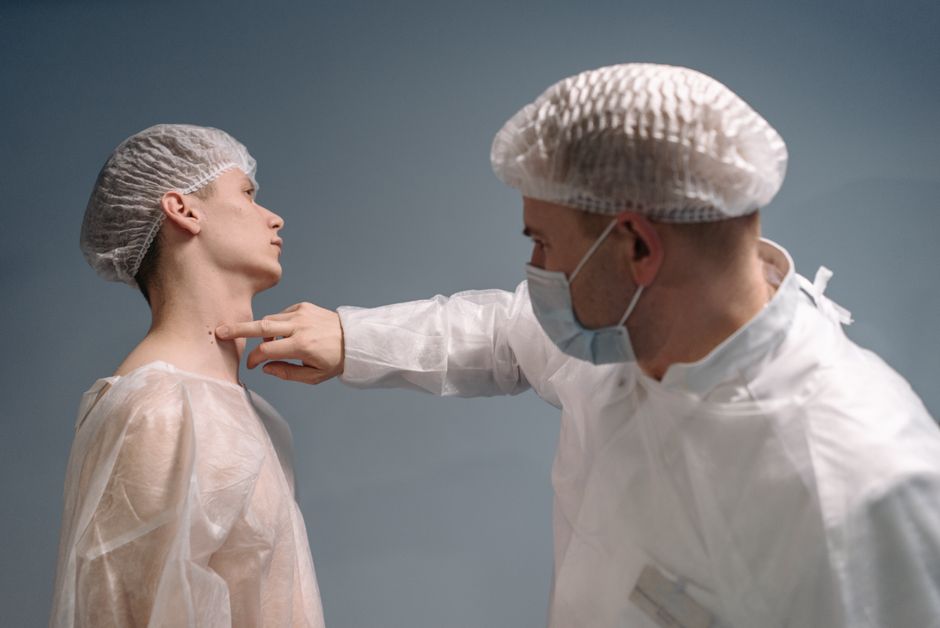
Cosmetic$4000 - $10000⭐ KAHF Accredited Hospitals
Breast Augmentation in Korea
Surgical reshaping of the breasts using cohesive silicone-gel implants or transferred fat to add proportionate volume.
Quick Answer
- Two techniques available: cohesive silicone-gel implants for a defined, lasting increase or fat transfer for a softer, modest enhancement using your own tissue.
- Korea's advantage: clinics use 3D imaging during consultation so you can preview results before committing, reducing revision risk.
- Typical stay: ~7 days in Korea; desk work resumes in 1–2 weeks, with implants fully settling over several months.
- Cost range: $4,000–$10,000 depending on technique, implant type, and clinic — packages usually include anesthesia, implants, and follow-up visits.
At a Glance
| Procedure time | 1–2 hours |
|---|---|
| Anesthesia | General anesthesia |
| Hospital stay | Same-day or short overnight observation |
| Recommended stay in Korea | ~7 days |
| Recovery | Desk work in 1–2 weeks; full settling over months |
| Typical cost in Korea | $4,000–$10,000 |
Overview
Breast augmentation increases breast volume and refines shape using either cohesive silicone-gel implants or the patient's own transferred fat.
Korea is a well-established destination for this surgery. Clinics here emphasize meticulous planning and proportionate, natural-looking results rather than dramatic enlargement.
The procedure can address breasts that feel small relative to the frame, asymmetry between the two sides, or volume lost after pregnancy or weight change.
Two main routes are offered. Implant-based augmentation places a cohesive silicone-gel device that holds its form and resists rippling, giving a defined and lasting increase.
Fat-transfer augmentation removes fat from the abdomen or thighs by liposuction, purifies it, and injects it into the breast, using the patient's own tissue for a softer, more modest enhancement.
Korean clinics commonly use three-dimensional imaging during consultation so a patient can preview how different implant sizes and profiles may sit on her body before committing. This step helps align expectations and reduce revision risk.
Implant placement is planned as either subglandular (above the chest muscle) or submuscular (partly beneath it), with the choice guided by tissue thickness and goals.
The surgery is generally performed under general anesthesia and takes about one to two hours. Korean surgical culture stresses careful pocket creation, layered tissue handling, and structured aftercare suited to patients traveling from abroad.
3D sizing consultation
Korean clinics routinely use 3D imaging before surgery to preview how different implant sizes and profiles will look on your body — take full advantage of this step to align expectations and reduce the chance of revision.
Implant placement options
Subglandular placement (above the muscle) typically means a shorter recovery. Submuscular or dual-plane placement (partly under the pectoral muscle) often gives a smoother upper-pole contour and better coverage in thinner patients. Your surgeon will recommend based on your tissue thickness and goals.
Fat transfer volume absorption
With fat transfer augmentation, some injected volume is naturally reabsorbed during the first few months. The final shape becomes clear only once healing is complete — factor this into your expectations when comparing techniques.
Am I a Candidate?
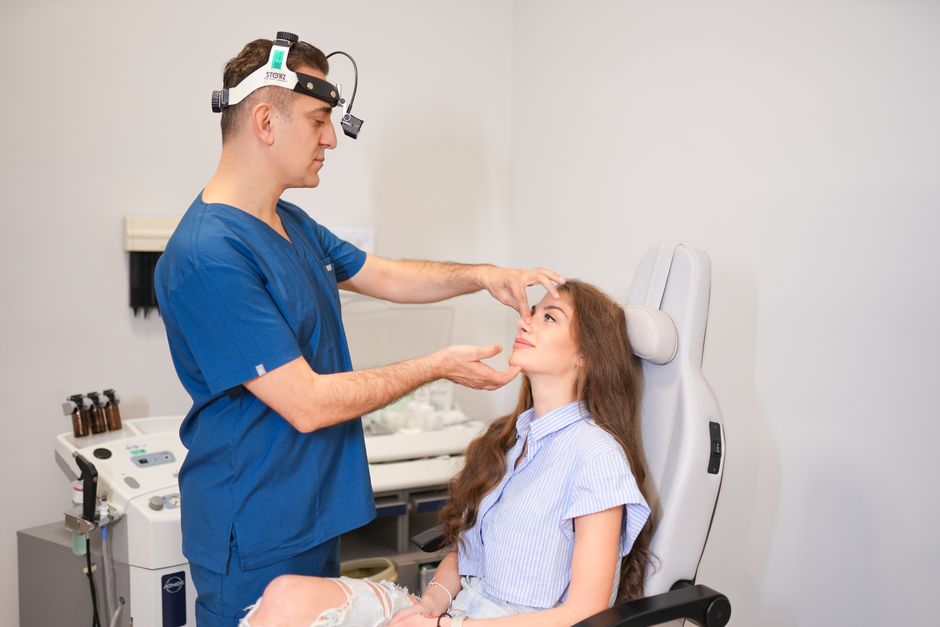
Good candidates are adults in stable general health whose breast development is complete.
Common reasons patients pursue augmentation: - Desire for greater volume or more defined upper-pole fullness - Visible asymmetry between the two sides - Restoration of fullness lost after pregnancy, breastfeeding, or weight change
A realistic understanding of what augmentation can and cannot achieve matters as much as anatomy.
Implant-based augmentation tends to suit those seeking a clearer size increase and those with limited natural breast tissue. Fat transfer is often more appropriate for a modest, natural increase when enough donor fat is available and the patient prefers to avoid a device.
Non-smokers — or those willing to stop well before surgery — are preferred because nicotine impairs healing and increases complication risk.
Augmentation is generally postponed in these situations: - During pregnancy or breastfeeding - With an active infection - When an untreated breast condition needs review first - When significant sagging is the primary concern (a lift, with or without an implant, may be more appropriate)
A consultation, including imaging where appropriate, confirms suitability and the most fitting plan before anything is finalized.
How the Procedure Works
Planning begins with consultation and 3D imaging, letting the patient preview how different implant volumes and profiles may sit on her frame. The surgeon reviews measurements, tissue thickness, and goals to recommend an implant type and placement, or fat transfer.
The surgery is performed under general anesthesia.
For implant-based augmentation: A discreet incision is made, commonly in the inframammary fold, around the areolar border, or in the axilla. A pocket is then created for the implant.
Subglandular placement sits the implant above the chest muscle and beneath the gland, which can mean shorter recovery. Submuscular or dual-plane placement sits it partly under the pectoral muscle, often giving a smoother upper-pole contour and more soft-tissue coverage in thinner patients.
A cohesive silicone-gel implant of the chosen size and profile is positioned, symmetry is checked, and the layers are closed with fine sutures.
For fat-transfer augmentation: - Fat is harvested from a donor area such as the abdomen, flanks, or thighs by gentle liposuction. - The fat is purified to concentrate viable cells. - It is injected in small amounts across several tissue layers to build even volume without a device.
The two methods can be combined in one session when appropriate. The operation generally takes one to two hours depending on technique.
Recovery Timeline
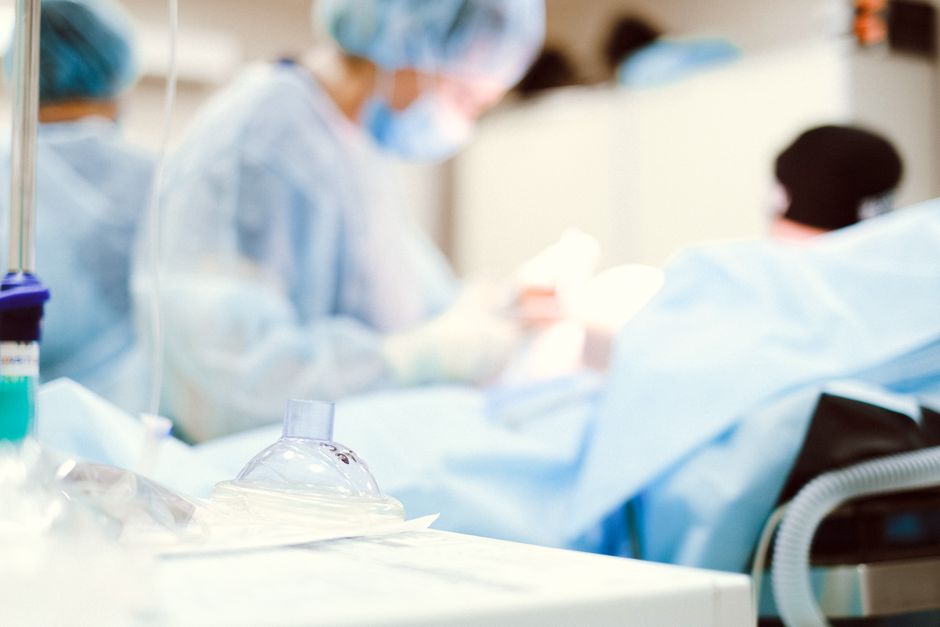
Recovery is planned around a stay in Korea of about seven days. Surgery is usually performed early in the visit so the team can monitor the initial healing days and conduct a follow-up before departure.
Days 1–3: - Rest under observation after surgery. - Swelling, tightness, and bruising are expected and managed with prescribed medication. - A supportive surgical bra is worn immediately.
Days 4–7: - The surgeon reviews healing, checks incisions, and changes dressings as needed. - Sutures may be removed or left to dissolve depending on technique. - Light walking is encouraged early to support circulation. - Reaching overhead, lifting, and strenuous activity are restricted.
Departure: Long-haul flying is generally cleared around day seven for uncomplicated cases, though the surgeon gives individual guidance.
Weeks 2–6: - Swelling settles and the breasts soften into a more natural position.
Implants often begin higher and drop gradually. - The support garment is worn as directed, often for several weeks. - Return to desk-based work is often possible within one to two weeks. - Exercise is reintroduced more slowly.
Fat transfer note: Some injected volume is naturally reabsorbed during the early months, so the final shape becomes clearer once healing completes.
Patients receive written aftercare instructions and remote follow-up contact for the period after returning home.

Cost Breakdown
Breast augmentation in Korea ranges from $4,000 to $10,000. Where a case falls within that range depends mainly on technique, implant type, case complexity, and clinic tier.
What quoted packages commonly include: - Surgeon's fee - Operating facility and anesthesia - The implants (where used) - Standard pre-operative assessment - Post-operative supportive garments - Scheduled follow-up visits during the stay
May be included or quoted separately: - Pre-operative consultation and 3D sizing imaging
Typically outside the surgical quote: - International flights, accommodation, local transport, and meals - Interpretation services, if required - Travel insurance - Extended medication or extra garments - Treatment of unrelated conditions found during assessment - Any future revision surgery
Because the final figure reflects the agreed implant profile or the extent of fat grafting, patients receive an itemized estimate before travel so the covers-versus-excludes breakdown is understood in advance.
| Item | Typical Cost in Korea (USD) |
|---|---|
| Non-incisional implant (subglandular) | $4,000–$6,000 |
| Submuscular/dual-plane implant | $5,000–$8,000 |
| Fat transfer augmentation | $4,500–$7,000 |
| Implant + fat transfer (combined) | $6,000–$10,000 |
Why Korea
Korea has developed a strong reputation in aesthetic surgery, supported by a concentration of dedicated plastic-surgery clinics and a culture that favors refined, proportionate results.
The sector operates within the national healthcare framework overseen by the Ministry of Health and Welfare.
International patients get national support. The Medical Korea program, led by KHIDI (Korea Health Industry Development Institute), promotes the medical-travel sector and provides information for overseas visitors.
Facilities meeting recognized quality and patient-safety standards may be accredited by KOIHA (Korea Institute for Healthcare Accreditation), giving international patients an external reference point when comparing providers.
Clinical strengths Korean centers are noted for: - Thorough pre-operative planning with detailed measurements - Routine use of 3D imaging for sizing and preview - Structured aftercare designed around patients traveling from abroad
These features make the overall pathway more straightforward for patients coming from Africa, the GCC region, and Southeast Asia — markets where Korean medical tourism has grown steadily.
Key Takeaways
- Korea offers both cohesive silicone-gel implants and fat transfer augmentation, with technique choice guided by anatomy, desired outcome, and available donor tissue.
- 3D consultation imaging is standard practice in Korean clinics, letting you preview results before committing — a meaningful advantage for patients traveling internationally.
- A 7-day stay is the typical planning window: enough time for surgery, initial monitoring, a follow-up visit, and clearance for long-haul travel home.
- Quoted packages usually cover surgeon fees, anesthesia, implants, and in-stay follow-up; flights, accommodation, and any future revision are separate costs — always request an itemized written estimate before travel.
Frequently Asked Questions
What is the difference between silicone implants and fat transfer for breast augmentation?
Silicone-gel implants use a cohesive device to deliver a defined, lasting size increase and suit those with limited natural breast tissue or who want a pronounced change. Fat transfer uses your own harvested, purified fat for a softer, more modest enhancement without a device, but requires adequate donor fat and reabsorbs some volume during healing. The two methods can also be combined in a single session where that fits the patient's goals.
How long do I need to stay in Korea after breast augmentation?
A stay of approximately seven days is typically recommended. Surgery is usually performed early in the visit so the medical team can monitor initial healing, manage swelling and discomfort, and conduct a follow-up review before you depart. Long-haul flying is generally cleared around day seven for uncomplicated cases, though your surgeon will give individual guidance based on how your healing is progressing.
Will breast augmentation affect breastfeeding or mammograms?
This depends on the incision site, implant placement, and individual anatomy, and is an important topic to raise during consultation. Many patients breastfeed successfully after augmentation, but there is some variation based on technique. Implants can affect mammogram imaging — radiologists use supplementary views and are experienced with patients who have implants, so it is important to disclose your implants when scheduling future screenings.
What is the difference between subglandular and submuscular implant placement?
In subglandular placement the implant sits above the pectoral muscle and beneath the breast gland, which tends to involve a shorter recovery and suits patients with adequate tissue coverage. In submuscular or dual-plane placement the implant sits partly beneath the pectoral muscle, often giving a smoother upper-pole contour and more soft-tissue coverage; this is frequently recommended for patients with thinner breast tissue. Your surgeon recommends the approach that best fits your anatomy and goals.
What does the price typically include?
Most quoted packages cover the surgeon's fee, facility and anesthesia, the implants themselves, pre-operative assessment, post-operative garments, and follow-up visits during the stay. Flights, accommodation, local transport, meals, and travel insurance are usually excluded. Because cost reflects the areas and techniques chosen, you receive an itemized written quotation after consultation so inclusions are clear beforehand.
Related Topics
Ready to Begin Your Journey?
Get matched with KAHF-accredited hospitals and receive a personalized treatment plan.
Quick Facts
Typical Cost
$4000 - $10000
Duration
7 days
Accredited Hospitals
3+ Available
Top Hospitals
Available Cities
Medical Information Disclaimer
The information provided on this page about Breast Augmentation is for general educational and informational purposes only. It is not intended as, and should not be construed as, medical advice, diagnosis, or treatment recommendations.
Always seek the advice of a qualified healthcare professional regarding any medical condition or treatment. Never disregard professional medical advice or delay seeking it because of information found on this website. Individual treatment outcomes may vary. Costs shown are estimates and may differ based on individual circumstances.
KmedTour acts as a medical tourism facilitator and does not provide direct medical services. All treatments are performed by independently accredited healthcare providers in South Korea.