Cosmetic$200 - $800⭐ KAHF Accredited Hospitals
Botox Injections in Korea
Minimally invasive botulinum toxin injections in Seoul clinics that soften wrinkles and slim the jaw, often at 40-70% below US prices.
Quick Answer
- Botox in Seoul costs USD 80–150 per area — roughly 40–70% less than comparable clinics in the US or UK
- Injections take 10–20 minutes with no downtime; most patients return to normal activities the same day
- Effects appear within 3–5 days, settle fully over 2 weeks, and last 3–4 months — plan your trip timing accordingly
At a Glance
| Procedure Duration | 10–20 minutes per session |
|---|---|
| Anesthesia | Topical numbing cream (optional) |
| Recovery Time | Minimal; normal activities same day |
| Hospital Stay | None — outpatient |
| Results Duration | 3–4 months (jaw slimming may last longer) |
| Cost Range | USD 80–350 per session (area-dependent) |
Overview
Botox injections use small, controlled doses of botulinum toxin to temporarily relax the muscles that create dynamic wrinkles, smoothing lines on the forehead, between the brows, and around the eyes.
In South Korea the treatment is also widely used for masseter (jaw) slimming to create a softer facial contour, a look closely associated with K-beauty aesthetics.
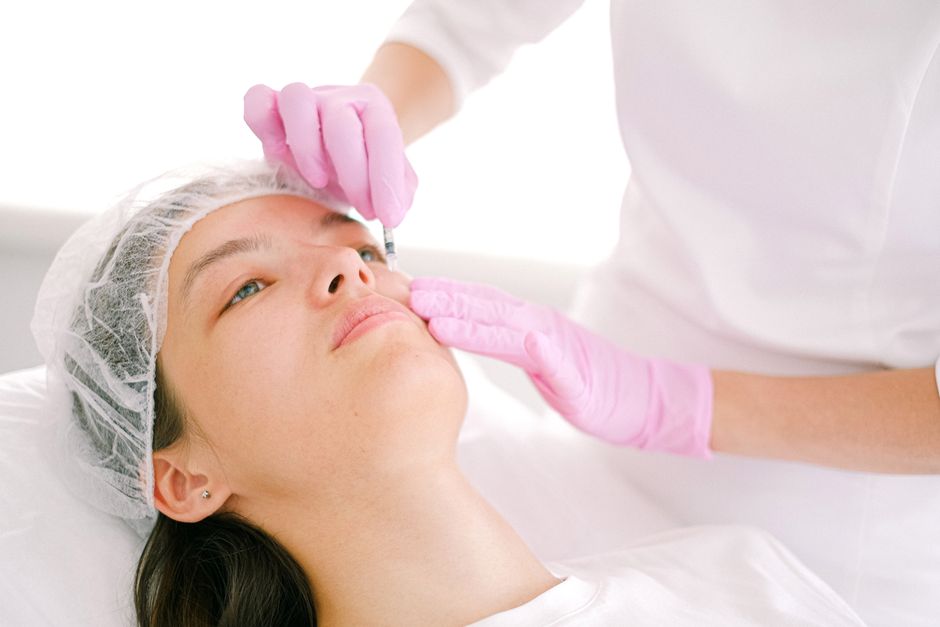
The procedure is non-surgical and minimally invasive: a trained doctor injects the toxin into targeted muscles using a very fine needle, and most appointments take only ten to twenty minutes.
Effects typically appear within a few days, settle fully over about two weeks, and last roughly three to four months before a repeat session is needed.
Korea has become a leading destination for aesthetic injectables, with dermatology making up the majority of foreign patient visits and clinics concentrated in Seoul districts such as Gangnam and Myeongdong.
Korean clinics frequently use domestically manufactured botulinum toxin brands, which helps keep prices lower than in many Western countries while still being regulated by the national drug authority. Many clinics that serve international patients offer English-speaking staff, transparent pricing, and same-day or next-day appointments.
As a cosmetic medical procedure, results are temporary and individual outcomes vary, so a consultation with a qualified doctor is the essential first step to confirm the treatment is appropriate and to plan dosing for your goals.
Korean clinics often use domestically manufactured botulinum toxin brands approved by the Ministry of Food and Drug Safety (MFDS), which helps keep prices lower while maintaining regulatory standards.
Pro Tip
Book your Botox appointment at least 2 weeks before any important event so the full effect has time to develop.

Am I a Candidate?
Good candidates for Botox are generally healthy adults bothered by dynamic wrinkles that appear with facial expression, such as forehead lines, frown lines between the brows, or crow's feet around the eyes.
People seeking jaw slimming due to enlarged masseter muscles, or those who clench and grind their teeth, may also benefit from masseter injections.
Candidates should have realistic expectations: Botox softens lines caused by muscle movement but does little for deep static folds or volume loss, which are usually addressed with fillers or other treatments. The procedure is not suitable for everyone.
It is generally avoided during pregnancy and breastfeeding, and in people with certain neuromuscular conditions such as myasthenia gravis. Those with a known allergy to botulinum toxin or to ingredients in the formulation, active skin infection at the injection site, or bleeding disorders should not proceed without specialist guidance.
Patients taking certain medications, including some muscle relaxants or blood thinners, should disclose this during consultation. For international patients traveling to Korea, it is also worth considering timing: because effects develop over about two weeks, anyone wanting visible results for a specific event should plan accordingly.
A qualified Korean doctor will review your medical history, examine your facial muscles, and confirm whether Botox is appropriate before recommending a dosing plan tailored to your anatomy and goals.
How the Procedure Works
The process begins with a consultation, where the doctor reviews your medical history, discusses your goals, and examines the muscles responsible for your lines or facial shape. At clinics serving international patients, this often includes a translator or English-speaking staff.
The treatment area is cleaned, and some clinics apply a topical numbing cream or ice to improve comfort, though many patients find the injections quite tolerable without it.
The doctor then marks the injection points and uses a very fine needle to deliver small, precise amounts of botulinum toxin into the targeted muscles.
For upper-face wrinkles this usually means several quick injections across the forehead, glabella, and around the eyes; for jaw slimming, injections are placed into the masseter muscles on each side. The number of injection points and the dose depend on your anatomy, muscle strength, and the look you want.
The active injection time is typically only a few minutes, and the whole visit often lasts ten to twenty minutes. Because it is non-surgical, there is no incision, no general anesthesia, and no need for an overnight stay.
After the injections, the doctor will give aftercare instructions and may ask you to stay briefly to rule out any immediate reaction. Many people return to normal activities the same day, which makes the treatment popular among visitors fitting it around travel.
Recovery Timeline
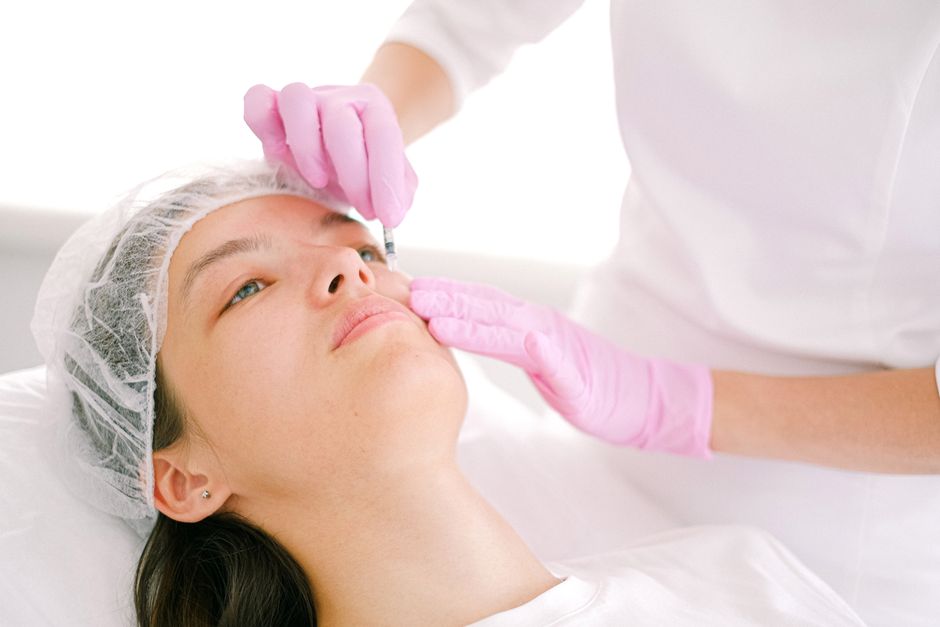
Botox requires little downtime, which is one reason it is so popular with travelers. Immediately after the injections you may notice small red bumps, slight redness, or minor swelling at the injection sites; these usually fade within a few hours.
Some people develop minor bruising that can last a few days and is easily covered with makeup once the skin has settled.
For the first several hours, clinics commonly advise staying upright, avoiding rubbing or massaging the treated area, skipping strenuous exercise, and avoiding saunas, hot baths, and excessive sun or heat. Avoiding alcohol around the treatment can also reduce bruising. Results are not instant.
You will typically begin to see the muscle-relaxing effect within three to five days, with the full effect developing over about two weeks.
Lines soften gradually rather than disappearing all at once, and masseter slimming for jaw contouring can take several weeks to become visible because the muscle reduces in size over time.
The effect generally lasts about three to four months before muscle movement returns and a repeat session is needed to maintain results. Some clinics schedule a brief follow-up around two weeks later to assess the outcome and add small touch-ups if needed.
International patients should ideally allow a short buffer in their trip in case a review or touch-up is recommended, and should follow the specific aftercare guidance their doctor provides.
Cost Breakdown
Botox in Korea is widely seen as good value, often costing significantly less than in the United States and many Western markets for comparable treatment, in part because Korean clinics frequently use domestically manufactured botulinum toxin brands.
Prices vary by clinic, district, the brand of toxin used, the number of areas treated, and the dose required.
As a general guide, a single treatment area such as the forehead or frown lines typically costs around 80 to 150 US dollars, while a full upper-face package covering several areas often falls in the range of about 200 to 350 US dollars.
Masseter injections for jaw slimming commonly cost in the region of 150 to 300 US dollars, though higher doses or premium imported brands raise the price.
Many clinics quote a per-area or per-package price that includes the consultation and the injection itself, but it is important to confirm exactly what is included, whether the quote covers a specific number of units, and whether a follow-up or touch-up visit carries an extra charge.
Imported, internationally recognized toxin brands generally cost more than Korean-made options. For international patients, the total cost of a trip should also account for flights, accommodation, local transport, and any translation or coordination services.
Always ask for a written, itemized estimate during consultation, and be cautious of prices that seem unusually low, since the brand, dose, and clinic standards all affect both cost and outcome.
| Item | Typical Cost in Korea (USD) |
|---|---|
| Single area (forehead or frown lines) | |
| Full upper face (3-area package) | |
| Masseter jaw slimming | |
| Consultation |
Why Korea
South Korea has become one of the world's leading destinations for aesthetic injectables, and dermatology accounts for the majority of foreign patient visits to the country.
Seoul is the center of this industry, with thousands of skin and cosmetic clinics concentrated in districts such as Gangnam and Myeongdong, where competition on price, technology, and service is intense.
This high volume means many doctors perform injectable treatments frequently and clinics are accustomed to serving international visitors, often with multilingual staff and streamlined booking. Korea's strong K-beauty culture has also driven refinement of natural-looking techniques, including subtle wrinkle softening and masseter slimming for a balanced facial contour.
On the regulatory side, botulinum toxin products and medical devices are overseen by the Ministry of Food and Drug Safety (MFDS), Korea's national drug and device authority.
The government actively supports medical tourism through the Korea Health Industry Development Institute (KHIDI) and its Medical Korea program, which provide information for foreign patients and promote registered, accredited facilities. Clinics treating international patients are subject to registration requirements and malpractice liability insurance rules designed to protect patients.
Combined with competitive pricing, short procedure times, and the ability to treat patients quickly around a travel schedule, these factors make Korea a practical and well-regulated choice for Botox. As with any country, outcomes still depend on choosing a properly licensed clinic and a qualified, experienced doctor.
Key Takeaways
- Botox is non-surgical with minimal downtime — a practical treatment to schedule around a Korea trip
- Korean-made toxin brands are MFDS-regulated and help keep prices competitive without sacrificing oversight
- Jaw masseter slimming is a specialty of Korean aesthetic clinics and can produce results lasting several months per session
Frequently Asked Questions
Is Botox in Korea safe for foreign patients?
Botulinum toxin products in Korea are regulated by the Ministry of Food and Drug Safety (MFDS), and clinics treating international patients are subject to registration and insurance requirements. Safety still depends on choosing a properly licensed clinic and a qualified doctor, so check credentials, ask which toxin brand is used, and have a proper consultation before treatment.
How long do Botox results last?
Results typically last around three to four months. The effect appears within a few days, settles fully over about two weeks, and gradually wears off as muscle movement returns, after which a repeat session is needed to maintain results. Masseter jaw-slimming results can last longer for some people.
How much does Botox cost in Korea compared to the US?
Botox in Korea is often considerably cheaper than in the US for comparable treatment, partly because clinics frequently use Korean-made toxin brands. A single area commonly costs around 80 to 150 US dollars, with full upper-face packages roughly 200 to 350 US dollars. Final pricing depends on the brand, dose, number of areas, and clinic.
Is there any downtime after Botox?
Downtime is minimal. You may have slight redness, small bumps, or minor bruising for a few hours to a few days. Most people resume normal activities the same day, though doctors usually advise avoiding strenuous exercise, heat, saunas, and rubbing the area for several hours after treatment.
How soon before traveling home should I get Botox in Korea?
Because the full effect develops over about two weeks, plan ahead if you want visible results by a certain date. It is wise to leave a short buffer in your trip in case your doctor recommends a follow-up review or small touch-up around two weeks after the initial injections.
Can Botox be used for jaw slimming?
Yes. Injecting botulinum toxin into the masseter muscles is a popular treatment in Korea for softening a square jawline and creating a slimmer facial contour. The muscle reduces in size over several weeks, so results appear more gradually than with wrinkle treatment and can last several months.
Related Topics
Sources
Ready to Begin Your Journey?
Get matched with KAHF-accredited hospitals and receive a personalized treatment plan.
Quick Facts
Typical Cost
$200 - $800
Duration
1 days
Accredited Hospitals
2+ Available
Medical Information Disclaimer
The information provided on this page about Botox Injections is for general educational and informational purposes only. It is not intended as, and should not be construed as, medical advice, diagnosis, or treatment recommendations.
Always seek the advice of a qualified healthcare professional regarding any medical condition or treatment. Never disregard professional medical advice or delay seeking it because of information found on this website. Individual treatment outcomes may vary. Costs shown are estimates and may differ based on individual circumstances.
KmedTour acts as a medical tourism facilitator and does not provide direct medical services. All treatments are performed by independently accredited healthcare providers in South Korea.