Cardiac$10000 - $25000⭐ KAHF Accredited Hospitals
Angioplasty in Korea
A catheter-based procedure that opens narrowed coronary arteries from inside, usually placing a stent to hold them open.
Quick Answer
- Coronary angioplasty is a catheter-based procedure that opens narrowed coronary arteries from the inside using a balloon, with a stent — usually drug-eluting — left permanently in place to keep the artery open.
- Best candidates have one or a limited number of significant coronary blockages confirmed on angiogram, persistent angina despite medication, or a blocked artery during an acute heart attack — suitability is decided after the cardiology team reviews your coronary anatomy.
- A stent placed during the procedure stays permanently, requiring dual antiplatelet medication started immediately and continued as prescribed; stopping early raises the risk of the stent becoming blocked.
- Typical cost in Korea: $10,000–$25,000 USD, reflecting a catheterisation laboratory procedure with a short inpatient stay of around five days, and varying mainly with the number and type of stents used.
At a Glance
| Procedure time | 1–2 hours typical; longer for complex lesions |
|---|---|
| Anesthesia | Local anaesthesia with sedation |
| Hospital stay | Several days inpatient (typically ~5-day stay) |
| Recommended stay in Korea | 5–7 days (including buffer before flying) |
| Recovery | Light activity within days; dual antiplatelet medication required long-term |
| Typical cost in Korea | $10,000–$25,000 USD |
Overview
Angioplasty is a catheter-based procedure that widens narrowed or blocked coronary arteries from the inside, restoring blood flow to the heart muscle without open surgery.
Patients travel to Korea for angioplasty because its cardiac centers offer well-established catheterization laboratories, drug-eluting stent technology, and coordinated care for international visitors within a single pathway.
The procedure works by guiding a thin tube through an artery in the wrist or groin up to the heart.
A small balloon at the tip is inflated at the narrowing to compress the plaque against the vessel wall, and a stent, a tiny mesh tube, is usually left in place to keep the artery open.
Most stents used today are drug-eluting, releasing medication over time to reduce the chance of the vessel re-narrowing.
Angioplasty is considered less invasive than bypass surgery. It is performed under local anesthesia with sedation rather than general anesthesia, and recovery is generally quicker.
It is well suited to many patients with one or a limited number of significant blockages, and it can also be used in the setting of an acute heart attack to reopen a blocked artery promptly.
For international patients, Korean centers coordinate the angiogram review, the procedure itself, the short hospital stay, and medication planning as a connected process, with interpretation and travel logistics handled alongside the clinical care.
The aim is to relieve symptoms such as chest pain and breathlessness and to improve blood supply to the heart in a controlled, monitored setting.
Send your angiogram images before you travel
Korean cardiac centres ask for your existing angiogram to confirm whether angioplasty is suitable and to plan the procedure in advance. Sending digital files or disc images to the international patient office early can reduce repeated testing on arrival and help the team prepare the catheterisation laboratory.
Never stop antiplatelet medication without medical advice
After a stent is placed, dual antiplatelet therapy must be continued exactly as prescribed. Stopping early — even briefly — raises the risk of the stent becoming blocked, which can cause a serious cardiac event. Before your return flight, confirm the medication plan and ensure an uninterrupted supply is available at home.
Am I a Candidate?
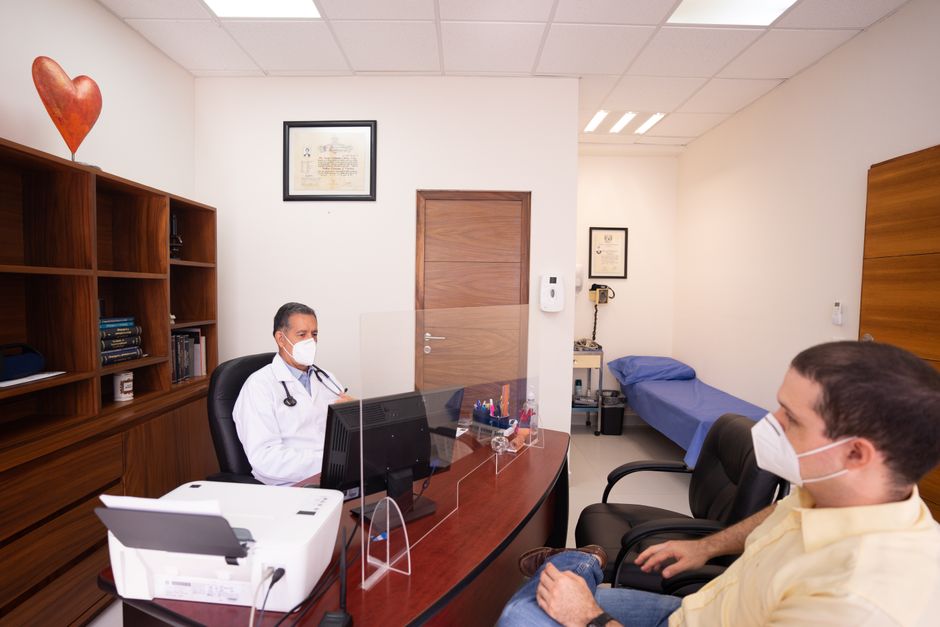
Whether angioplasty suits you is decided after a cardiology team reviews your coronary anatomy, usually on an angiogram, together with your symptoms and heart function.
It is commonly chosen for people with one or a small number of significant narrowings that are well placed for a catheter approach, and for those whose angina continues despite medication.
It is also used urgently during a heart attack to reopen the responsible artery quickly.
By contrast, when disease involves many vessels, the left-main artery, or complex patterns, a team may judge that bypass surgery offers a more durable result, so the choice between the two is made case by case.
Several factors shape suitability and preparation. Kidney function matters because contrast dye is used; severe contrast allergy, uncontrolled bleeding tendencies, or an inability to take the antiplatelet medication needed after stenting all call for careful review. Heavily calcified or very long blockages may need additional techniques.
International patients should expect Korean centers to request existing imaging and records so the team can confirm that angioplasty, rather than surgery or continued medication alone, is the most appropriate option before travel is arranged.
How the Procedure Works
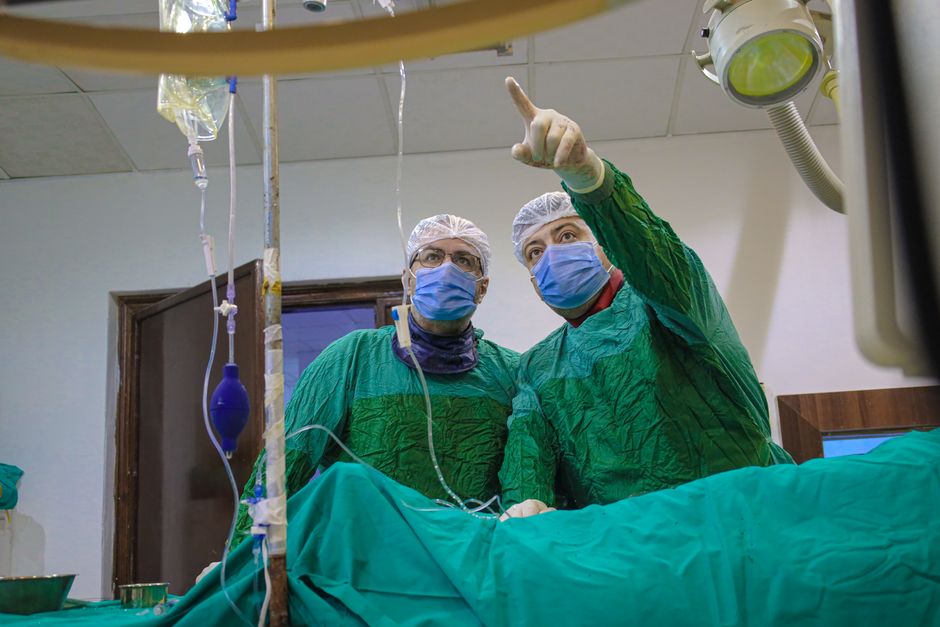
After local anesthesia, the cardiologist gains access to an artery, most often through the wrist using the radial approach, which tends to allow earlier mobility and a lower risk of access-site bleeding, or through the groin using the femoral approach when needed.
A sheath is placed and a catheter is guided up to the coronary arteries under X-ray guidance.
Contrast dye is injected so the narrowing can be seen clearly. A fine guidewire is passed across the blockage, and a balloon catheter is advanced over it. Inflating the balloon presses the plaque outward and widens the channel.
In most cases a stent, usually drug-eluting, is then positioned and expanded against the vessel wall, where it stays permanently to hold the artery open and release medication that discourages re-narrowing.
Technique varies with the lesion. Heavily calcified narrowings may need preparation with specialized devices before stenting, and imaging or pressure measurements from inside the artery may guide decisions about whether and how to treat a given segment. Once the result is confirmed on imaging, the catheters are removed.
The wrist or groin site is sealed with a band or closure device, and you are monitored as the access site settles.
Recovery Timeline
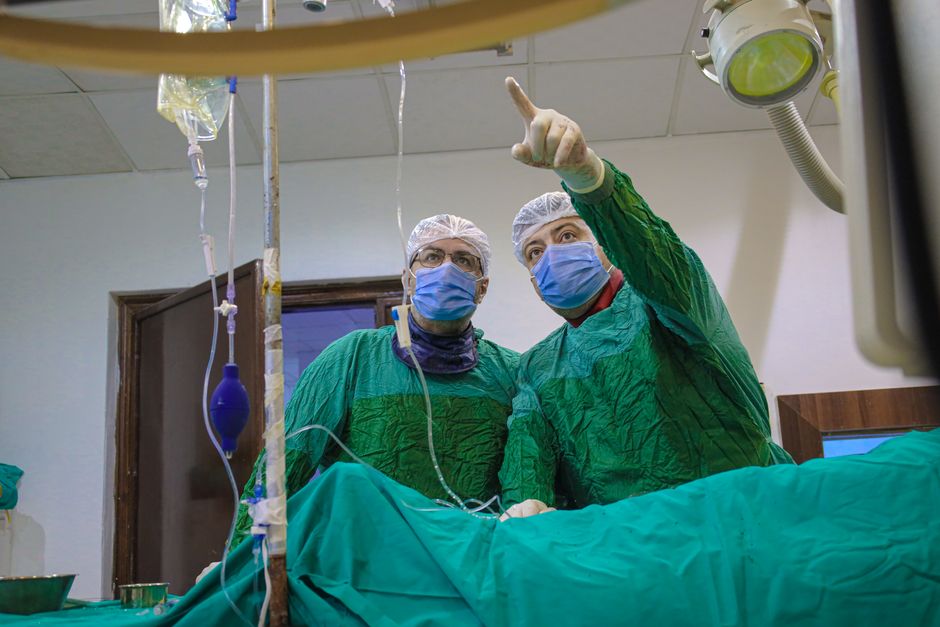
Recovery after angioplasty is typically quicker than after open surgery. You are monitored for several hours afterward so the access site and heart rhythm can be observed.
With a wrist approach, you can often sit up and move sooner; a groin approach usually means lying flat for a period to protect the puncture site.
Many patients stay in hospital for a short time, commonly a few days, reflecting the quoted five-day plan that allows monitoring and medication setup.
The access site may bruise and feel tender for a week or two, and strenuous activity and heavy lifting are usually limited briefly while it heals. Most people resume light daily activity within days, guided by their team.
Because a stent is in place, dual antiplatelet medication is started and must be continued as prescribed to keep the stent clear.
Flying long-haul is generally more feasible sooner than after bypass surgery, but timing still depends on the access site healing, the reason for the procedure, and whether it followed a heart attack. Your team confirms fitness to fly individually rather than by a fixed rule.
International patients should keep some buffer days in Korea after the procedure so the result, the wound, and the new medication regimen can be reviewed before the return flight, with clear instructions for follow-up at home.

Cost Breakdown
The quoted range of roughly $10,000 to $25,000 reflects a catheter-based procedure performed in a specialized laboratory with a short hospital stay.
It generally covers the cardiologist and laboratory team, the catheterization itself, the balloon and stent or stents used, contrast and consumables, and the monitored stay of several days with routine medication during admission.
Where a case falls within that range depends mainly on the number and type of stents, the complexity of the blockages, and whether extra techniques such as specialized imaging, plaque modification, or pressure measurement are needed.
Treating more than one vessel or a heavily calcified lesion can move the figure higher.
For international patients, pre-procedure tests such as angiography and bloodwork may be itemized separately, and costs beyond the hospital bill, accommodation, local transport, interpretation, and any buffer days before flying, should be planned for alongside the medical estimate.
Korean centers serving medical travelers usually provide an itemized quote after reviewing your records, so the inclusions are clear before you commit. Confirming in writing what the estimate covers, including the antiplatelet medication you will need to continue, helps with planning the full trip.
| Item | Typical Cost in Korea (USD) |
|---|---|
| Single-vessel angioplasty with drug-eluting stent, standard case | $10,000–$15,000 |
| Multi-vessel angioplasty or complex lesion | $15,000–$25,000 |
| Diagnostic angiogram (if done separately before procedure) | $2,000–$4,000 |
| Intravascular imaging or pressure measurement (FFR/IVUS), if used | Confirm if applicable |
| Antiplatelet medication for discharge | Confirm if included in quote |
Why Korea
Korea's cardiac centers operate well-equipped catheterization laboratories with experienced interventional teams and access to current drug-eluting stent technology and intravascular imaging. Many run hybrid operating rooms, where catheter-based and surgical approaches can be combined in one suite, which supports flexible decision-making for borderline cases.
Leading hospitals commonly hold international accreditation and work within a national system overseen by the Ministry of Health and Welfare, supported by KHIDI and with hospital recognition through KOIHA, which together set expectations for safety and quality.
For patients traveling from abroad, this framework offers a degree of reassurance about the standard of care they can expect.
Centers that serve medical travelers typically provide coordinated international services: review of imaging and records before arrival, interpretation during the angiogram and procedure, and help arranging accommodation and the short stay involved.
The combination of established interventional capability, organized aftercare with clear medication guidance, and dedicated patient coordination makes Korea a considered option for people seeking angioplasty away from home, without implying any particular result for an individual case.
Key Takeaways
- Coronary angioplasty is a catheter-based procedure that does not require open surgery; access is usually through the wrist, and recovery is generally quicker than after bypass surgery.
- A stent placed during the procedure is permanent and requires dual antiplatelet medication to be continued exactly as prescribed — stopping early raises the risk of the stent blocking.
- Suitability depends on the number, location, and complexity of the blockages assessed on your angiogram; patients with multi-vessel or left-main disease may be better served by bypass surgery.
- The five-day Korea stay includes monitoring, medication setup, and access-site review; an additional buffer before flying gives the team time to confirm the wound and medication regimen before departure.
Frequently Asked Questions
How do I transfer my angiogram and medical records before treatment?
Korean cardiac centers ask for your recent angiogram images and report along with relevant bloodwork before confirming a plan. These are usually shared as digital files or disc images through the hospital's international patient office. Sending them early lets the team confirm whether angioplasty is suitable and prepare the laboratory in advance, which can avoid repeating studies on arrival where the existing imaging is adequate.
I take anticoagulants. How does that affect the procedure and flying?
Your blood-thinning and antiplatelet medication is reviewed closely, since some agents may be adjusted around the procedure and a stent requires dual antiplatelet therapy afterward. Do not change anything yourself; share your full drug list early. For the return flight, your team advises on timing and clot-prevention, since travel, the access site, and your medication together influence when long-haul flying becomes reasonable.
Can a family member stay with me, including in the monitoring area?
A companion is generally welcomed and can be reassuring for international patients. Access to the immediate post-procedure monitoring area is usually limited to set times because of the equipment and observation involved, while family presence on the regular ward is typically easier. The international patient office can explain each hospital's specific visiting and accommodation arrangements before you arrive.
How long should I plan to stay in Korea for angioplasty?
Beyond the short hospital stay of around five days, it is wise to keep some buffer days so the team can review the result, check the access site, and confirm your new medication regimen before you travel. Many patients are in Korea for one to two weeks in total. Your final stay length is confirmed individually based on the procedure and how you recover.
Will I receive documents for follow-up care at home?
Yes. Before departure the team prepares a summary of the procedure, the stents used, your medications including the antiplatelet plan, and recommendations for ongoing care. This handover is intended for your cardiologist or physician at home so that monitoring and medication continue smoothly. Translation support is commonly available, and you can request copies of the procedure report and discharge documents for your own records.
Related Topics
Ready to Begin Your Journey?
Get matched with KAHF-accredited hospitals and receive a personalized treatment plan.
Quick Facts
Typical Cost
$10000 - $25000
Duration
5 days
Accredited Hospitals
4+ Available
Top Hospitals
Medical Information Disclaimer
The information provided on this page about Angioplasty is for general educational and informational purposes only. It is not intended as, and should not be construed as, medical advice, diagnosis, or treatment recommendations.
Always seek the advice of a qualified healthcare professional regarding any medical condition or treatment. Never disregard professional medical advice or delay seeking it because of information found on this website. Individual treatment outcomes may vary. Costs shown are estimates and may differ based on individual circumstances.
KmedTour acts as a medical tourism facilitator and does not provide direct medical services. All treatments are performed by independently accredited healthcare providers in South Korea.