Traditional$200 - $1000⭐ KAHF Accredited Hospitals
Acupuncture Treatment in Korea
Acupuncture in South Korea: licensed Korean Medicine doctors, Saam and hand-acupuncture techniques, and low-cost outpatient sessions in Seoul.
Quick Answer
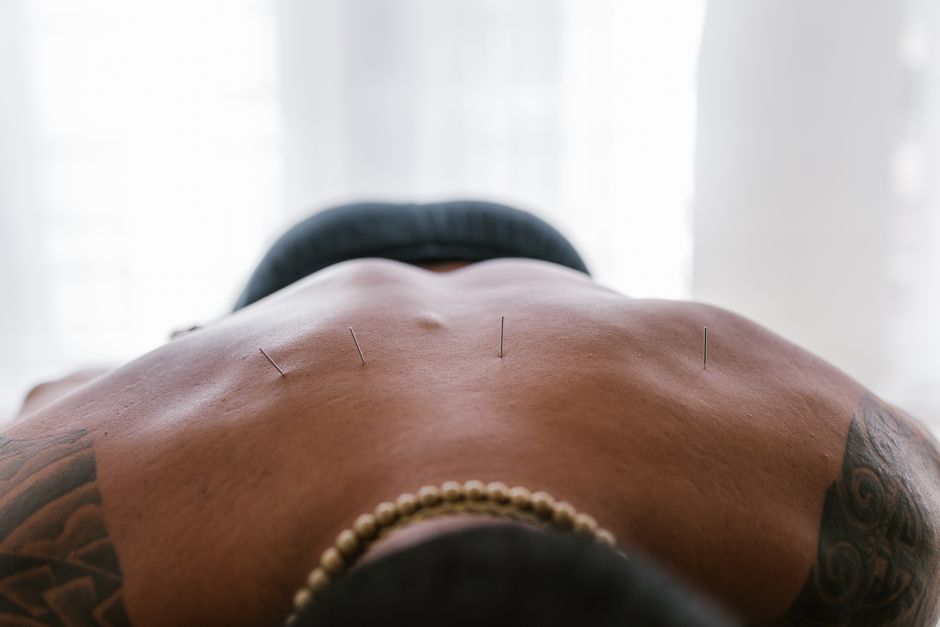
- Acupuncture is a non-surgical Korean Medicine therapy in which thin sterile needles are placed at specific body points to ease pain, tension, and other symptoms.
- A typical session lasts about 30 to 60 minutes with no anesthesia, no hospital stay, and no downtime.
- In Korea, sessions commonly run about $40 to $115 USD at a Korean Medicine clinic, far below typical US pricing.
- Treatment is delivered by licensed Korean Medicine doctors, often within hospitals that combine traditional and conventional care.
At a Glance
| Procedure time | About 30 to 60 minutes per session |
|---|---|
| Anesthesia | None |
| Hospital stay | None (outpatient) |
| Recommended stay in Korea | None required for a single visit; 1 to 2 weeks if planning a short series |
| Recovery | No downtime; resume normal activity immediately |
| Typical cost in Korea | About $40 to $115 USD per session |
Overview
Acupuncture is a core therapy within traditional Korean Medicine (Hanbang), a licensed medical field practiced alongside conventional Western medicine in Korea.
The treatment places very fine, single-use needles at defined points on the body. In Korean Medicine, this is described as regulating the flow of Qi (energy) and restoring balance, with the practical aim of easing pain and other symptoms.
Korean practice is known for relatively shallow, gentle insertions and for distinctive systems such as:
- Saam acupuncture, a classical Korean four-needle method
- Korean hand acupuncture (Koryo Sooji Chim), which treats points on the hands
People commonly seek acupuncture for back and neck pain, headaches and migraines, joint problems, stress, insomnia, and general wellness. It is most often used as part of a broader plan that may include cupping, moxibustion, manual therapy, or Korean herbal medicine.
Choose a licensed Korean Medicine clinic
In Korea, acupuncture is performed by licensed Korean Medicine doctors. For an international visit, pick a clinic experienced with foreign patients and confirm single-use, sterile needles, English-language support, and the full price before booking.
Am I a Candidate?
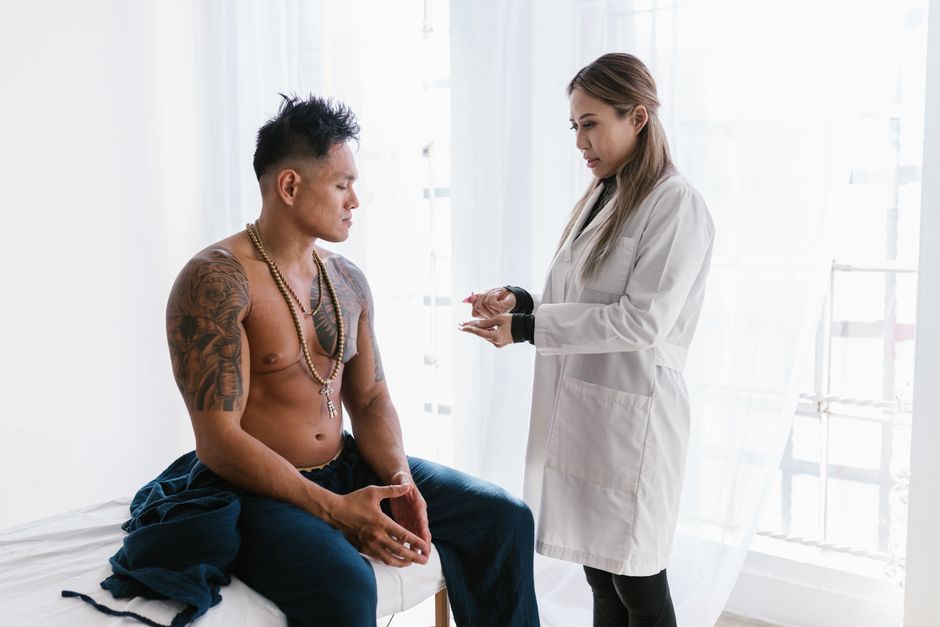
Acupuncture is widely used by adults seeking conservative, non-surgical relief, but suitability is always confirmed during an in-person consultation with a licensed Korean Medicine doctor.
It is frequently chosen for:
- Chronic or recurring back, neck, and joint pain
- Headaches and migraines
- Stress, anxiety, and insomnia
- Recovery support alongside other treatment
Tell your practitioner before treatment if you:
- Are pregnant or may be pregnant
- Take blood thinners or have a bleeding disorder
- Have a pacemaker or implanted electrical device (relevant for electro-acupuncture)
- Have diabetes, a weakened immune system, or skin infections near treatment sites
Acupuncture is not a substitute for emergency or surgical care. If you have a serious or undiagnosed condition, a qualified doctor should evaluate it first. A responsible clinic will decline or modify treatment when it is not appropriate.
How the Procedure Works
A first visit usually begins with a consultation and Korean Medicine assessment, where the practitioner reviews your symptoms, history, and goals. Many clinics in Seoul offer English-language support for international patients.
The session typically proceeds as:
- You lie down comfortably, and treatment areas are cleaned.
- The practitioner inserts thin, sterile, single-use needles at selected points.
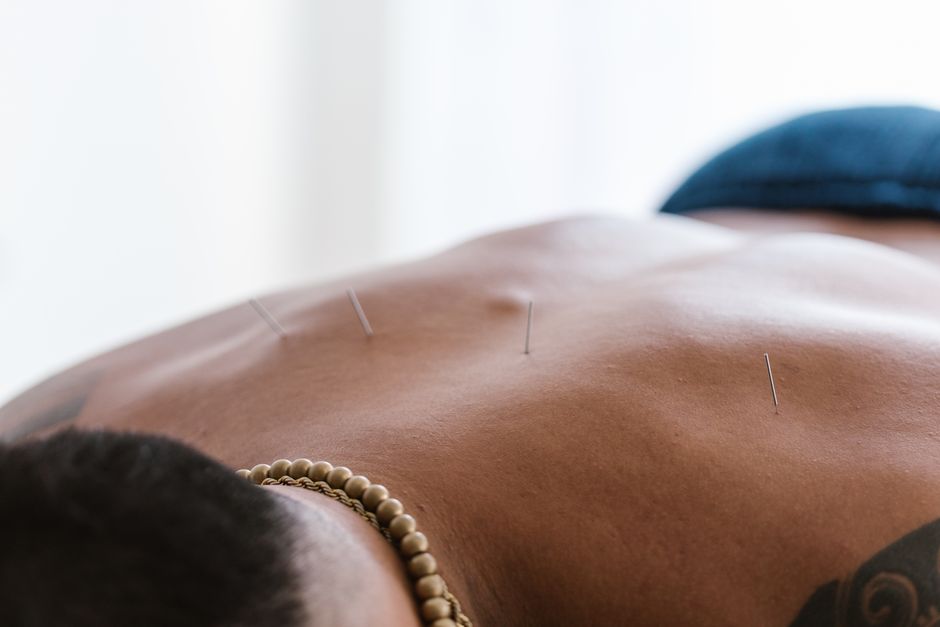
- Needles are left in place, often for around 15 to 30 minutes, while you rest; many people relax or even doze.
- The practitioner may gently adjust needles or add techniques such as moxibustion, cupping, or mild electro-stimulation.
- Needles are removed and the area is checked.
The process is generally low-pain; you may feel a brief pinch or a dull, heavy sensation. No anesthesia is used, and you can leave on your own immediately afterward.
Recovery Timeline
Acupuncture is an outpatient therapy with no downtime. You can usually return to work, travel, or normal activity right after a session.
What to expect:
- Same day: mild soreness, slight bruising, or a brief feeling of tiredness or deep relaxation can occur, then typically settles.
- First 24 hours: most people feel normal; staying hydrated and avoiding heavy alcohol or very intense exercise is sensible.
- Following days: any benefit for pain, sleep, or tension may build gradually.
For ongoing or chronic concerns, practitioners often suggest a short series of sessions rather than a single visit, with the schedule tailored to your response.
Contact the clinic if you notice signs of infection, persistent bleeding, dizziness that does not resolve, or any reaction that worries you. Serious complications are uncommon when treatment is performed by a licensed practitioner with sterile, single-use needles.
Cost Breakdown
Acupuncture in Korea is generally affordable compared with many Western countries, which is one reason visitors combine it with a trip.
Reported price ranges in Korea include:
- A standard acupuncture session: roughly $40 to $115 USD, depending on the clinic, technique, and session length.
- Add-on therapies often paired with acupuncture (such as cupping or manual adjustment): commonly an extra $15 to $40 USD.
- Korean herbal medicine (Han-yak), if prescribed, is usually a separate and larger cost.
By contrast, a single acupuncture session in the United States is frequently cited in the $75 to $150 USD range.
For international visitors, Korean national health insurance generally does not cover non-residents, so plan to pay out of pocket. Always confirm the full price, including any consultation fee and add-ons, before treatment. Figures are approximate and vary by clinic and exchange rate.
| Item | Typical Cost in Korea (USD) |
|---|---|
| Initial consultation and Korean Medicine assessment | $10–$40 |
| Standard acupuncture session | $40–$115 |
| Add-on therapy (cupping, manual adjustment) | $15–$40 |
| Short series (several sessions, per visit) | $40–$115 each |
| Korean herbal medicine, if prescribed | $200–$480 |
Why Korea
Korea is a strong destination for acupuncture because traditional Korean Medicine is a fully licensed, regulated medical profession, practiced by doctors who complete dedicated Korean Medicine training.
Key advantages:
- Established techniques. Korea developed distinctive systems such as Saam acupuncture and Korean hand acupuncture, alongside widely practiced standard methods.
- Integrated care. Some Korean hospitals bring Western-trained specialists and Korean Medicine doctors together, so acupuncture can sit within a broader, coordinated treatment plan.
- Accessibility in Seoul. The capital, including districts such as Gangnam, has many clinics, several experienced with international patients and English-language support.
- Value. Session pricing is typically lower than in many Western countries.
Korea also actively supports medical travel through national programs and institutes that promote and help coordinate care for foreign patients, making it easier to find reputable, internationally oriented clinics.
Key Takeaways
- Acupuncture is a non-surgical, outpatient Korean Medicine therapy with no anesthesia and no downtime.
- Korea offers licensed practitioners, distinctive techniques such as Saam and hand acupuncture, and session prices typically below Western rates.
- A single visit needs no extended stay, but chronic issues are usually treated as a short series.
- Always disclose pregnancy, blood thinners, or implanted devices, and expect to pay out of pocket as a non-resident.
Frequently Asked Questions
Does acupuncture hurt?
Most people feel only a brief pinch or a dull, heavy sensation when needles are placed. The needles are very thin, and many patients relax or even doze during the session. No anesthesia is needed.
How many acupuncture sessions will I need?
It depends on your concern. A single session can help with mild or acute issues, but chronic problems such as long-standing back pain are usually treated as a short series. Your practitioner will recommend a schedule based on how you respond.
Is acupuncture in Korea safe?
When performed by a licensed Korean Medicine doctor using sterile, single-use needles, serious complications are uncommon. Mild soreness or slight bruising can occur. Always disclose pregnancy, blood thinners, or implanted electrical devices beforehand.
How much does acupuncture cost in Korea for foreigners?
A standard session commonly runs about $40 to $115 USD, with add-on therapies costing extra. As a non-resident you should expect to pay out of pocket, since Korean national health insurance generally does not cover visitors. Confirm the full price before treatment.
Do I need to stay in Korea long for acupuncture?
No extended stay is required for a single session, since it is outpatient with no downtime. If you plan a short series of treatments, allow roughly one to two weeks so sessions can be spaced appropriately.
What is Saam acupuncture?
Saam is a classical Korean acupuncture method that uses a four-needle technique. Korea is also known for Korean hand acupuncture, which treats points on the hands. Both are part of the country's distinctive Korean Medicine tradition.
Sources
Ready to Begin Your Journey?
Get matched with KAHF-accredited hospitals and receive a personalized treatment plan.
Quick Facts
Typical Cost
$200 - $1000
Duration
5 days
Accredited Hospitals
1+ Available
Available Cities
Medical Information Disclaimer
The information provided on this page about Acupuncture Treatment is for general educational and informational purposes only. It is not intended as, and should not be construed as, medical advice, diagnosis, or treatment recommendations.
Always seek the advice of a qualified healthcare professional regarding any medical condition or treatment. Never disregard professional medical advice or delay seeking it because of information found on this website. Individual treatment outcomes may vary. Costs shown are estimates and may differ based on individual circumstances.
KmedTour acts as a medical tourism facilitator and does not provide direct medical services. All treatments are performed by independently accredited healthcare providers in South Korea.