Cosmetic$800 - $3000⭐ KAHF Accredited Hospitals
Acne Scar Removal in Korea
Treatments that smooth and soften scars left behind by past acne for clearer-looking skin
Quick Answer
- Acne scar treatment in Korea costs USD 150–600 per session — Korean dermatologists combine fractional laser, microneedling RF, subcision, and chemical peels in custom protocols
- Seoul's dermatology clinics specialize in scar management for Asian skin phototypes, lowering the risk of post-inflammatory hyperpigmentation that can follow aggressive treatments
- Most protocols involve 3–6 monthly sessions; a single Korea trip can complete an initial 1–2 sessions, with maintenance spaced over subsequent months
At a Glance
| Procedure Duration | 30–90 minutes per session |
|---|---|
| Anesthesia | Topical numbing cream; sometimes local injection |
| Recovery Time | 3–7 days redness/swelling (varies by modality) |
| Hospital Stay | None — outpatient |
| Results Duration | Cumulative improvement over 3–6 months of treatment |
| Cost Range | USD 150–600 per session |
Overview
Acne scar removal is a set of treatments that smooth indented or uneven scars left after acne has healed, improving the texture and tone of the skin.
Patients travel to Korea because its dermatology and aesthetic clinics work with these scars routinely and combine modern devices with accredited, internationally focused care.
Acne scars form when inflammation damages the skin's deeper layers, leaving depressions, raised marks, or discolouration once the breakouts settle. Treatment does not erase scars completely but works to soften their depth, blend their edges, and stimulate the skin to rebuild a smoother surface over time.
Because scars differ in type and depth, clinics usually combine more than one method rather than relying on a single device, and they match the approach to your skin.
Several techniques are commonly used. Fractional carbon dioxide laser delivers controlled columns of energy that prompt the skin to remodel and resurface. Subcision uses a fine instrument under the skin to release the tethered bands that pull rolling scars downward.
Microneedling, often combined with radiofrequency energy, creates tiny channels that trigger collagen renewal while reaching deeper layers. TCA cross applies a focused chemical to the base of narrow, deep icepick scars to encourage them to fill in.
It is important to be honest about expectations from the start. Acne scarring usually responds gradually, and multiple sessions spaced over weeks or months are often needed to reach a satisfying result.
A single visit can begin the process, but lasting improvement typically comes from a planned course rather than one treatment, and this is discussed openly during consultation.
Korean clinics often combine multiple modalities (laser + microneedling RF + subcision) in a single session to address different scar types simultaneously — a more efficient approach than single-modality treatment alone.
Important
Acne scar treatment is not a one-session fix. Plan for at least 3–6 monthly treatments for significant improvement, and discuss a maintenance schedule with your doctor.
Am I a Candidate?
You may be a good candidate if your active acne is well controlled and you are left with textural scarring such as rolling, boxcar, or icepick scars, or with uneven tone after breakouts.
Treating scars works best once new breakouts have settled, because ongoing inflammation can create fresh scarring and complicate healing. Realistic goals and a willingness to complete more than one session are important, since scar treatment is usually gradual.
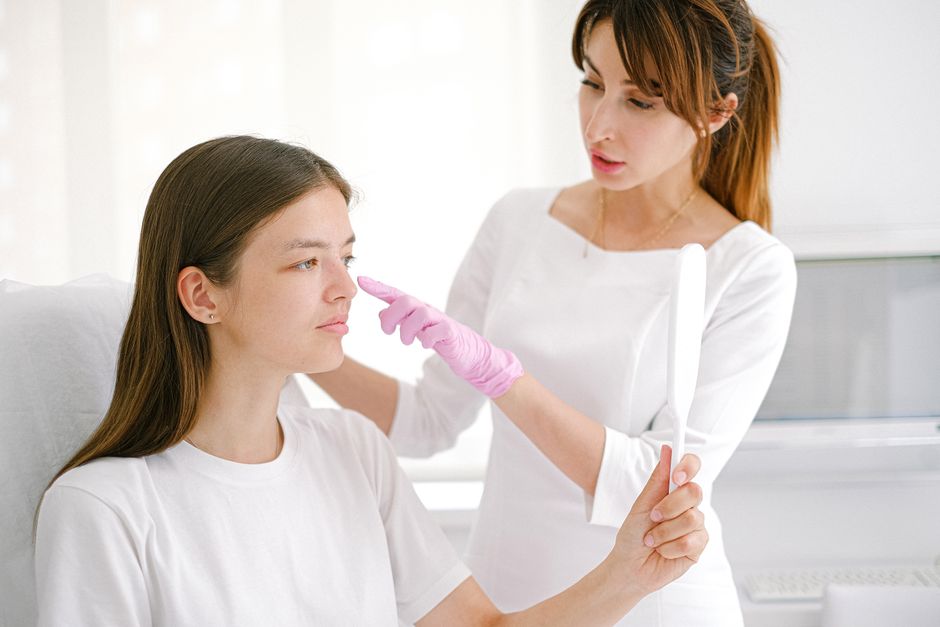
The clinic assesses your skin type, the kinds of scars present, and their depth, then matches techniques accordingly.
People with deeper skin tones can be treated, but the clinic takes extra care with device settings and laser choice because some treatments carry a higher chance of temporary darkening or lightening in richer skin. Sharing your skin's history of pigmentation changes helps the clinic plan safely.
Treatment may be postponed if you have an active skin infection, a recent course of certain acne medication, a tendency to form raised keloid scars, or are pregnant, depending on the method considered. If you scar easily or have had reactions to previous procedures, mention this in advance.
The aim of the consultation is to confirm which combination of techniques suits your scars and skin, and to set honest expectations about how many sessions a meaningful improvement is likely to take.
How the Procedure Works
Treatment begins with a consultation in which the clinic maps your scar types and decides which techniques to combine. The skin is cleansed, and a numbing cream is usually applied beforehand so the session is comfortable. The exact steps depend on the methods chosen for your scars.
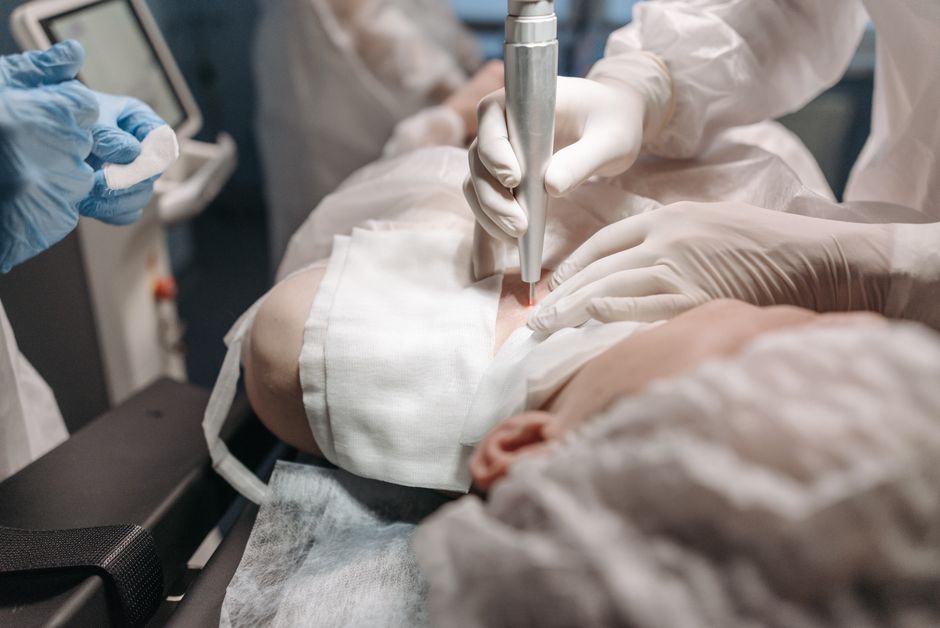
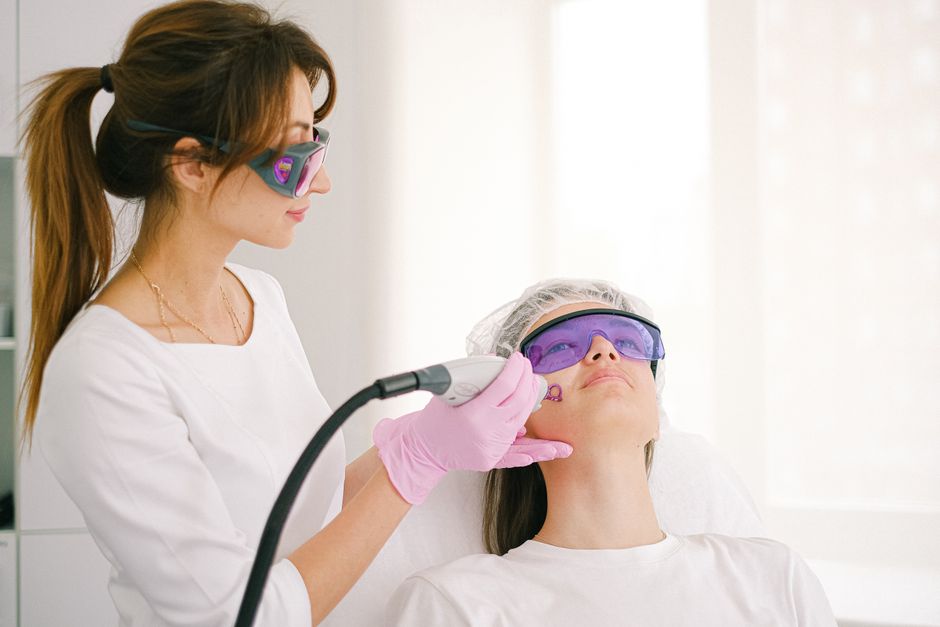
Fractional carbon dioxide laser is passed over the treatment area, delivering controlled columns of energy that create microscopic zones of resurfacing while leaving surrounding skin intact to speed healing.
Subcision is used for tethered rolling scars: a fine needle or blade is passed under the scar to release the fibrous bands anchoring it, allowing the depression to lift.
Microneedling, often paired with radiofrequency, rolls or stamps fine needles across the skin to create controlled micro-injuries that trigger collagen renewal, with radiofrequency adding heat at depth.
TCA cross applies a small, focused amount of a chemical agent precisely into the base of narrow icepick scars to stimulate them to fill in.
Many clinics combine two or more of these in a single visit, for example subcision followed by laser or microneedling, because different scar shapes respond to different methods. A session usually takes under an hour depending on the area and the techniques used.
Because acne scarring rarely resolves in one go, the clinic plans a course of sessions spaced weeks apart, and explains how each visit builds on the last. Aftercare instructions are given before you leave.
Recovery Timeline
Most patients plan a stay of around four days, which allows for consultation, the treatment session, and an early check before flying home. Recovery depends on the techniques used.
After fractional laser, the skin is usually red, warm, and slightly swollen for a few days, with fine flaking or a sandpaper-like texture as it resurfaces over roughly a week. Microneedling and radiofrequency tend to cause redness and mild swelling that settle within a few days.
Subcision can leave temporary bruising, and TCA cross produces small frosted or crusted spots that flake away over about a week.
The clinic advises gentle cleansing, regular moisturising, and diligent sun protection during healing, since fresh skin is sensitive to ultraviolet light and prone to temporary darkening if exposed. Makeup is usually avoided for the first days after laser.
Strenuous exercise, saunas, and swimming are generally paused for the early healing period.
Flying home is typically fine within the planned stay, as the early redness and swelling are manageable and not a barrier to travel. Visible improvement appears gradually over the following weeks and months as the skin rebuilds collagen, so the fuller benefit of a session is not immediate.
Because lasting results usually need several sessions, many patients schedule further visits or arrange follow-up treatments closer to home, and the clinic outlines a realistic timeline for the course during consultation.

Cost Breakdown
Acne scar removal in Korea commonly ranges from about $800 to $3,000. The main factors behind the price are the size of the area treated, the types and depth of scarring, and the combination of techniques required.
A focused area treated with a single method sits toward the lower end, while a larger area needing combined laser, subcision, microneedling, or TCA cross sits toward the upper end.
Because scarring usually needs more than one session, ask whether a quote covers a single visit or a planned course, as this strongly affects the total. The quoted price typically includes the consultation and skin assessment, the treatment session, numbing, and routine aftercare guidance during your stay.
Costs not always reflected in the headline figure can include flights, accommodation for the roughly four-day stay, airport transfers, and any prescribed skincare or sun-protection products recommended for healing.
When you request an estimate, it helps to confirm how many sessions the clinic expects your scars to need and what each session would cost, so you can budget for the full course rather than one visit.
KmedTour helps you obtain clear, itemised quotes from accredited Korean clinics before you travel, so the cost of treatment and travel is transparent in advance.
| Item | Typical Cost in Korea (USD) |
|---|---|
| Fractional CO2 laser (scars) | |
| Microneedling RF (1 session) | |
| Subcision (per area) | |
| Combined scar protocol (per session) |
Why Korea
Korea is widely recognised for dermatology and aesthetic skin care, supported by a national healthcare framework and a high concentration of clinics that treat acne scarring regularly with a range of devices.
The Ministry of Health and Welfare oversees medical standards, and the Korea Health Industry Development Institute supports the country's medical-tourism sector and helps international patients connect with reputable providers.
Many clinics serving international patients hold accreditation through bodies such as the Korea Institute for Healthcare Accreditation, which assesses patient safety and quality of care.
For visitors from Africa, the Middle East, and Asia, this oversight offers reassurance that a clinic meets recognised standards, which matters for treatments involving lasers and energy devices on the skin.
Practical factors add to the appeal. Clinics experienced with overseas patients often provide language support, coordinated scheduling, and clear written quotes, and they are used to tailoring laser and device settings for a range of skin tones. Treatments are typically arranged within a short stay.
KmedTour works only with accredited Korean clinics and helps you compare options, understand what each quote includes, and prepare for travel, so your decision rests on clear information rather than guesswork.
Key Takeaways
- Acne scar removal is a multi-session process; realistic improvement requires a treatment plan spanning several months, not a single procedure
- Korean dermatologists routinely combine laser, RF microneedling, and subcision to address different scar subtypes — tethered, rolling, ice pick, and boxcar scars each respond to different tools
- Skin phototype calibration is critical; Korean clinics' extensive experience with Types III–V reduces the risk of worsening pigmentation
Frequently Asked Questions
Can acne scars be removed completely?
Treatment softens and smooths scars rather than erasing them entirely. The goal is to reduce their depth, blend their edges, and improve skin texture and tone so they become much less noticeable. How much improvement is possible depends on the type and depth of your scars, and the clinic sets honest expectations during consultation before any treatment begins.
How many sessions will I need?
Acne scarring usually responds gradually, so more than one session is commonly needed for a satisfying result, spaced weeks or months apart. A single visit can begin the process, but lasting improvement typically comes from a planned course. The number depends on your scar type and depth, which the clinic estimates during your assessment so you can budget for the full course.
Which treatments are used for acne scars?
Common methods include fractional carbon dioxide laser to resurface the skin, subcision to release tethered rolling scars, microneedling often combined with radiofrequency to stimulate collagen, and TCA cross for narrow icepick scars. Clinics usually combine two or more in a session because different scar shapes respond to different techniques. The mix is matched to your skin during consultation.
Is the treatment safe for darker skin tones?
People with deeper skin tones can be treated, but the clinic takes extra care with laser choice and device settings because some treatments carry a higher chance of temporary darkening or lightening in richer skin. Sharing your history of pigmentation changes helps the clinic plan safely. Diligent sun protection during healing is especially important to reduce the risk of temporary discolouration.
How long is recovery and when can I fly home?
A stay of around four days is typical. Redness, mild swelling, and flaking after laser usually settle within about a week, while microneedling and subcision tend to cause shorter-lived redness or bruising. Flying home is generally fine within the planned stay. Visible improvement appears gradually over the following weeks as the skin rebuilds collagen.
Ready to Begin Your Journey?
Get matched with KAHF-accredited hospitals and receive a personalized treatment plan.
Quick Facts
Typical Cost
$800 - $3000
Duration
4 days
Accredited Hospitals
2+ Available
Medical Information Disclaimer
The information provided on this page about Acne Scar Removal is for general educational and informational purposes only. It is not intended as, and should not be construed as, medical advice, diagnosis, or treatment recommendations.
Always seek the advice of a qualified healthcare professional regarding any medical condition or treatment. Never disregard professional medical advice or delay seeking it because of information found on this website. Individual treatment outcomes may vary. Costs shown are estimates and may differ based on individual circumstances.
KmedTour acts as a medical tourism facilitator and does not provide direct medical services. All treatments are performed by independently accredited healthcare providers in South Korea.