Orthopedic$5000 - $12000⭐ KAHF Accredited Hospitals
ACL Reconstruction in Korea
Keyhole surgery to rebuild a torn knee ligament and restore stability for active movement.
Quick Answer
- ACL reconstruction replaces a torn anterior cruciate ligament with a graft — usually from your own hamstring or patellar tendon — performed arthroscopically through small incisions.
- Best candidates are active adults with a confirmed ACL tear causing knee instability or giving-way, after initial swelling has settled and movement has returned.
- Recovery spans several months: early physiotherapy begins within the first day; return to pivoting sports is typically considered only after many months once strength and control targets are met.
- Typical cost in Korea: $5,000–$12,000 USD, depending on graft type, fixation devices, and whether additional meniscus or cartilage repair is needed.
At a Glance
| Procedure time | 1–2 hours |
|---|---|
| Anesthesia | General or spinal + nerve block |
| Hospital stay | 1–2 days |
| Recommended stay in Korea | 7 days |
| Recovery | Several months of staged rehabilitation; return to pivoting sports typically after many months once strength targets are met |
| Typical cost in Korea | $5,000–$12,000 USD |
Overview
ACL reconstruction rebuilds a torn anterior cruciate ligament using a graft, restoring the stability needed for pivoting, turning, and active movement.
Patients from Africa, the Middle East, and Southeast Asia often choose Korea because accredited hospitals combine arthroscopic (keyhole) techniques, modern graft options, and structured return-to-sport rehabilitation within one coordinated pathway.
The anterior cruciate ligament helps keep the knee stable during twisting and changes of direction. When it tears — often during sport or a sudden pivot — the knee can feel as though it gives way.
Left unaddressed, this instability limits activity and can lead to further joint damage over time. Reconstruction is usually recommended for active patients, or those with ongoing instability, once the initial swelling has settled and movement has returned.
The surgeon replaces the torn ligament with a graft, most commonly taken from the patient's own body (an autograft). The two most widely used choices are:
- Hamstring tendon graft — one or two hamstring tendons folded into a strong cord
- Patellar-tendon (bone-tendon-bone) graft — the middle portion of the patellar tendon taken with small bone blocks at each end, allowing secure bone-to-bone healing in the tunnels
Graft selection depends on anatomy and activity goals, and is discussed with the surgeon in advance.
The procedure is performed arthroscopically through small incisions. This supports a smoother early recovery, and any related cartilage or meniscus damage can be addressed at the same time.
KmedTour coordinates the full journey — pre-arrival imaging review, interpreter support, hospital admission, and a written rehabilitation plan you can hand to a physiotherapist at home — so that recovery continues safely after you return.
Am I a Candidate?
You may be a candidate for ACL reconstruction if you have a confirmed anterior cruciate ligament tear and are experiencing:
- Knee instability or a sense of the knee giving way
- Difficulty returning to sport, active work, or daily activities requiring pivoting or direction changes
- Ongoing symptoms despite conservative management
Imaging and assessment:
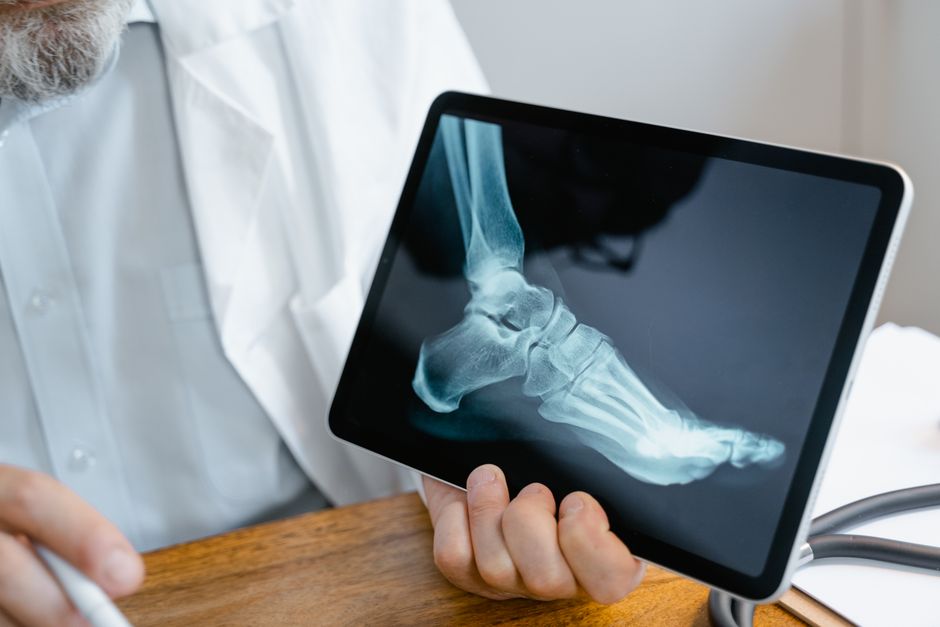
An MRI confirms the tear and identifies any related meniscus or cartilage damage. Most candidates are active adults, though reconstruction is also considered for people whose instability significantly affects everyday movement.
Surgery is usually planned once the initial swelling has settled and the knee has regained good movement and muscle control — this improves both the outcome of reconstruction and the early rehabilitation response.
Before approving surgery, the team reviews:
- General fitness for anaesthesia
- Diabetes control and cardiovascular health
- Any blood-clotting or bleeding history
- Presence of active infection in or around the knee
- Degree of swelling or stiffness (a very stiff or acutely swollen knee may require a delay)
Because the rehabilitation that follows is long and central to success, good candidates are committed to a structured physiotherapy programme over several months.
A pre-travel video consultation and your recent scans allow the surgeon to confirm suitability and discuss graft choice before you fly.
How the Procedure Works
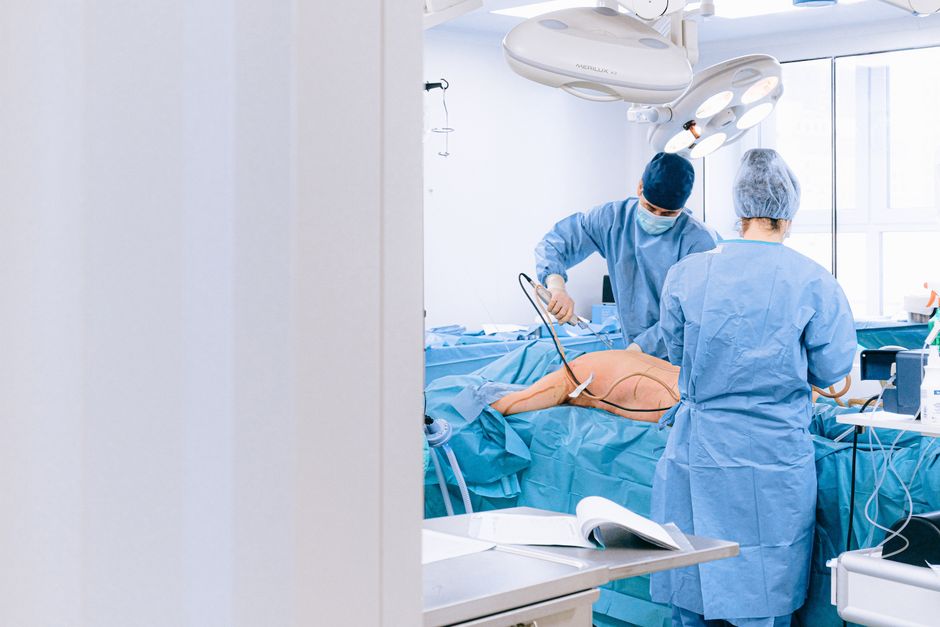
ACL reconstruction is performed arthroscopically, meaning the surgeon works through small incisions using a camera and fine instruments — the knee is not opened fully.
Anaesthesia: You receive either a general or a spinal anaesthetic, commonly combined with a nerve block to reduce pain in the early hours after surgery.
Joint inspection: The surgeon first inspects the joint through the arthroscope, confirms the ligament tear, and treats any related meniscus or cartilage damage. Torn ligament tissue is cleared to prepare the site.
Graft preparation:
- With a hamstring autograft, one or two hamstring tendons are taken from the same leg and folded into a strong cord.
- With a patellar-tendon (bone-tendon-bone) autograft, the surgeon takes the middle portion of the patellar tendon together with small bone blocks at each end. The bone blocks can give secure bone-to-bone healing within the tunnels.
Graft choice is made based on anatomy and activity goals.
Tunnel drilling and graft fixation: The surgeon drills precise tunnels in the thighbone and shinbone, matched to the natural attachment points of the original ligament. The graft is passed through these tunnels and fixed under appropriate tension using devices such as screws or suspensory buttons.
Stability check: The new ligament is tested through a range of motion to confirm the knee is stable and tracks correctly.
The small incisions are closed and dressed, and clot-prevention measures begin. The procedure commonly takes one to two hours, after which you are monitored in recovery before returning to the ward.
Recovery Timeline
Recovery is structured around your seven-day stay in Korea and the longer rehabilitation programme that follows at home.
Days 1–2 (in hospital):
- Early physiotherapy typically begins within the first day after surgery
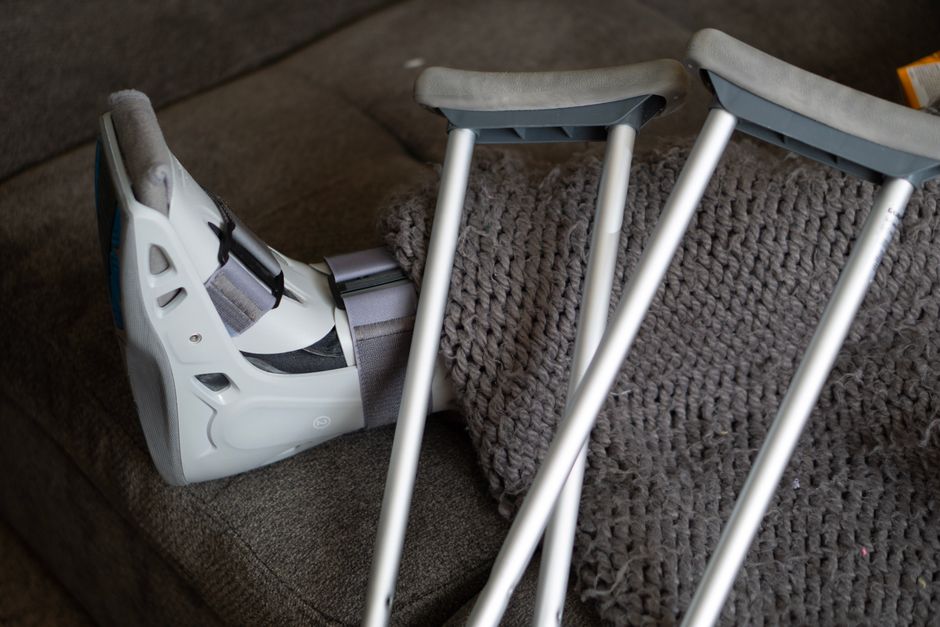
- Focus: regaining full straightening, gentle bending, controlled weight-bearing with crutches as advised, and activating the thigh muscles
- A brace may be used to protect the graft in the early phase
- The team manages swelling and pain and monitors the wound
Days 3–7 (pre-departure):
- Movement and walking progress under physiotherapy guidance
- Before travel, the surgeon confirms the wounds are healing and that you can move safely on crutches
- Guidance is provided on compression, hydration, and ankle exercises during the flight to reduce clot risk — confirm flying clearance with your surgeon
Before leaving Korea: KmedTour provides a written, staged rehabilitation plan, your operative summary, and graft details so a physiotherapist at home can continue the programme without gaps.
Months 1 and beyond (at home):
- ACL rehabilitation is gradual and typically spans several months
- Stages progress from regaining motion and strength, to balance and coordination, to agility drills, and finally sport-specific training
- Return to pivoting sports is usually considered only after many months, once strength and control targets are met and confirmed by your surgeon or home physiotherapist
Arrange a local follow-up review after returning home. Report increasing pain, redness, fever, or calf swelling promptly.
Cost Breakdown
The estimated cost for ACL reconstruction through KmedTour ranges from $5,000 to $12,000 USD. Where you fall in this range depends on:
- The graft chosen (hamstring or patellar-tendon autograft)
- The fixation devices used
- Whether additional meniscus or cartilage repair is needed at the same time
- Length of hospital stay
What the quoted price generally covers:
- Surgeon and anaesthesia fees
- Arthroscopic procedure and operating-room use
- Implants (fixation screws, buttons, or other devices)
- Inpatient hospital stay (typically 1–2 nights)
- Standard medications during admission
- Inpatient physiotherapy during the hospital stay
- Pre-operative tests and assessments on arrival
What is typically not included:
- International flights and visa costs
- Accommodation before or after the hospital stay
- Meals outside the hospital
- A knee brace if recommended post-discharge
- The extended months of rehabilitation and follow-up care at home
If both knees or additional structures require treatment, the cost will be higher. KmedTour provides a written, itemised quotation after the surgeon reviews your scans, so you can see exactly what is and is not covered before committing.
Interpreter support and local accommodation guidance are also included to help you budget the full trip.
| Item | Typical Cost in Korea (USD) |
|---|---|
| ACL reconstruction — hamstring autograft | $5,000–$8,500 |
| ACL reconstruction — patellar-tendon (BTB) autograft | $6,000–$12,000 |
| Additional meniscus or cartilage repair (same session) | $1,000–$3,000 added |
| Hospital stay (1–2 nights, standard) | Typically included in package |
| Inpatient physiotherapy during admission | Typically included in package |
Why Korea
Korea is a well-established destination for orthopaedic and sports surgery, with major hospitals accredited under national and international standards and operating within a healthcare system regulated by the Ministry of Health and Welfare.
Accreditation and oversight:
- KOIHA (Korean Organisation for International Healthcare Accreditation) sets quality and patient-safety benchmarks for hospitals serving international patients
- KHIDI's Medical Korea programme supports the infrastructure for foreign patient access across accredited facilities
- These frameworks reflect a country-level focus on consistent standards, not just individual hospital reputation
Clinical approach: Many Korean hospitals offer arthroscopic ligament reconstruction using established graft options and modern fixation hardware. Physiotherapy is integrated into the surgical pathway from the first day after surgery — rehabilitation planning begins in hospital, not on discharge.
International patient infrastructure: Accredited Korean hospitals provide dedicated international patient departments with interpreter services (English, Arabic, and other languages), structured discharge planning, and coordination with the patient's home-country medical team.
KmedTour adds end-to-end coordination — from pre-arrival imaging review to a written, staged rehabilitation handover for your home physiotherapist — so that care planned in Korea continues without interruption once you return.
Key Takeaways
- ACL reconstruction is performed arthroscopically using a graft from your own hamstring or patellar tendon; the choice depends on anatomy and activity goals, and is discussed with the surgeon before you travel.
- Rehabilitation — not surgery alone — determines the outcome: recovery spans several months, and KmedTour provides a written staged plan so your home physiotherapist can continue without gaps.
- Korean hospitals accredited under KOIHA and the Medical Korea programme combine experienced sports-medicine teams, integrated physiotherapy, and dedicated international patient support.
- Costs range from $5,000 to $12,000 USD depending on graft, fixation, and any additional repairs; an itemised quote is provided after the surgeon reviews your scans.
Frequently Asked Questions
How soon after the injury should I have ACL reconstruction?
Most surgeons recommend waiting several weeks after the injury, not operating immediately. They wait until the initial swelling settles and the knee regains good range of motion and muscle control. Operating on a swollen, stiff knee raises the risk of post-surgical stiffness. Exact timing depends on your activity goals, associated injuries such as meniscus damage, and general health. A pre-travel video consultation and recent MRI let planning begin before you arrive.
What is the difference between a hamstring graft and a patellar-tendon graft?
Both are autografts, tissue from your own body, which reduces rejection risk and gives strong long-term outcomes. A hamstring graft uses one or two thigh tendons folded into a cord, with lower risk of anterior knee pain; it suits patients who kneel regularly. A patellar-tendon (bone-tendon-bone) graft takes the middle third of the patellar tendon with small bone plugs, and its secure bone-to-bone healing keeps it popular for high-demand athletes. The surgeon helps you choose based on anatomy and goals.
Is it safe to fly after ACL reconstruction?
Most surgeons advise against flying until the immediate post-operative phase has passed and early mobilisation is established, typically several days after surgery. Long-haul flights raise the risk of deep-vein thrombosis (DVT) after lower-limb surgery because the leg is immobile. Before departure you receive guidance on compression stockings, hydration, ankle pumps during the flight, and any prescribed blood-thinning medication. The seven-day Korea stay gives this clearance period. Always confirm flying approval with your surgeon before booking your return flight.
When can I return to sport after ACL reconstruction?
Most protocols allow return to cutting and pivoting sport only after many months of structured rehabilitation, and only when objective strength testing and your surgeon or physiotherapist agree clearance is appropriate. Graft tissue matures through a process called ligamentisation over many months, gradually taking on the characteristics of a ligament. Returning before strength, neuromuscular control, and agility targets are met increases re-rupture risk. Discuss a realistic expectation with the surgeon at the pre-travel consultation.
What happens to the rehabilitation after I return home?
Before you leave Korea, KmedTour provides a written, staged rehabilitation plan alongside your operative summary and graft details, designed to hand directly to a physiotherapist at home so the program continues without interruption. The plan progresses from early motion and quadriceps activation through strengthening, balance, agility, and sport-specific drills. Arrange a local follow-up with an orthopedic surgeon or sports physiotherapist soon after returning. If you notice increasing pain, redness, wound discharge, fever, or calf swelling, seek medical attention promptly.
Related Topics
Ready to Begin Your Journey?
Get matched with KAHF-accredited hospitals and receive a personalized treatment plan.
Quick Facts
Typical Cost
$5000 - $12000
Duration
7 days
Accredited Hospitals
6+ Available
Top Hospitals
Busan Adventist Hospital
Busan
View Details →
Busan ST. Mary's Hospital
Busan
View Details →
Donghoon Advanced Lengthening Reconstruction Institute
Gyeonggi-do
View Details →
Cheonan Chungmu Hospital
Chungcheongnam-do
View Details →
Design Hospital
Jeollabuk-do
View Details →
Available Cities
Medical Information Disclaimer
The information provided on this page about ACL Reconstruction is for general educational and informational purposes only. It is not intended as, and should not be construed as, medical advice, diagnosis, or treatment recommendations.
Always seek the advice of a qualified healthcare professional regarding any medical condition or treatment. Never disregard professional medical advice or delay seeking it because of information found on this website. Individual treatment outcomes may vary. Costs shown are estimates and may differ based on individual circumstances.
KmedTour acts as a medical tourism facilitator and does not provide direct medical services. All treatments are performed by independently accredited healthcare providers in South Korea.