Eye Care
LASEK Eye Surgery in Korea
The surface layer of the cornea is lifted and a laser reshapes it to correct short-sightedness, long-sightedness, or astigmatism.
Quick Answer
- LASEK uses dilute alcohol to loosen the epithelium, then an excimer laser reshapes the cornea beneath — no permanent flap cut.
- Ideal for patients with thin corneas, steep/irregular shapes, or active/contact-sport lifestyles where LASIK or SMILE carry higher risk.
- Recovery takes 3–4 weeks for stable vision; a bandage contact lens protects the surface for the first few days.
At a Glance
| Procedure time | Active laser under 1 minute per eye; total chair time 20–40 minutes |
|---|---|
| Anesthesia | Topical anesthetic eye drops — no injections, no sedation required |
| Hospital stay | Outpatient — home the same day |
| Recommended stay in Korea | 5–7 days minimum: surgery day, bandage lens removal visit (days 3–5), and 1–2 early follow-ups |
| Recovery | Functional vision within first week; fully stable ~3–4 weeks; minor fluctuations possible up to 1 month |
Overview
LASEK — laser-assisted subepithelial keratectomy — is a surface-based laser vision correction technique that corrects myopia (short-sightedness), hyperopia (long-sightedness), and astigmatism.
Unlike LASIK, which creates a thick hinged flap in the corneal stroma, LASEK works entirely on the outer surface. A dilute alcohol solution is applied briefly to loosen the epithelial layer — the cornea's outermost cells. That layer is gently moved aside rather than cut away.
An excimer laser then reshapes the underlying corneal tissue using a precise, computer-guided pattern calibrated to the patient's refractive error. Eye-tracking technology compensates for involuntary movement during the active treatment.
Once reshaping is complete, the epithelial layer is repositioned or simply allowed to regenerate naturally. A soft bandage contact lens is placed to protect the surface while healing begins.
Because no permanent stromal flap is created, LASEK preserves more deeper corneal tissue than LASIK. This makes it the preferred surface-laser option for patients who are not candidates for flap-based procedures — including those with thinner corneas or higher-risk occupations.
Plan your Korea stay around the bandage lens removal
The bandage contact lens is usually removed at a follow-up visit on day 3–5 after surgery. Build your departure date around that appointment — leaving before removal puts the healing epithelium at risk and means you miss confirmation of closure.
Stable prescription for at least one year
Korean clinics require a stable refraction — no significant prescription change — for a minimum of 12 months before LASEK. Bring your most recent spectacle or contact lens prescriptions from the past 1–2 years to your pre-operative consultation.
Stop contact lens wear before your screening
Soft contact lenses should be removed at least 2 weeks before the pre-operative diagnostic workup; rigid gas-permeable lenses, 4 weeks or more. Lenses temporarily alter corneal shape and can skew topography and pachymetry readings.

Am I a Candidate?
LASEK suits adults whose refractive error has been stable for at least one year and who are not ideal candidates for LASIK or SMILE.
Corneal anatomy factors: - Thinner-than-average corneas (insufficient tissue for a LASIK flap) - Steep, flat, or mildly irregular corneal topography - Previous corneal procedures that reduce available tissue
Lifestyle factors: - Active contact sports (rugby, martial arts, boxing) - Military, law enforcement, or emergency services roles - Occupations involving regular impact or trauma risk to the eye
In all these settings, the absence of a permanent flap reduces the risk of flap dislodgement from blunt force.
Pre-operative screening includes: - Corneal topography and pachymetry (thickness mapping) - Pupil size measurement in low light - Tear-film evaluation and dry-eye assessment
Patients with active keratoconus, uncontrolled glaucoma, or untreated significant dry eye are generally not candidates. Korean clinics conduct comprehensive workups before confirming suitability.
How the Procedure Works
LASEK is performed in an outpatient setting — no overnight stay is required.
Before the procedure: Topical anesthetic drops are administered. A lid speculum (holder) keeps the eye gently open throughout. The surgeon marks the corneal surface to guide orientation.
Epithelial loosening: A dilute alcohol solution (typically 18–20%) is applied to the corneal surface for approximately 20–30 seconds. This weakens the bonds holding the epithelium to the underlying Bowman's layer. The loosened flap of epithelial cells is carefully moved to one side with a blunt instrument.
Laser reshaping: The excimer laser delivers a series of ultraviolet pulses that remove microscopic amounts of stromal tissue in a pattern calibrated to the patient's prescription. Active eye-tracking monitors and compensates for small eye movements in real time. The active laser time is typically under one minute per eye.
Epithelial repositioning: The epithelial layer is repositioned over the treated surface — or in some cases allowed to regenerate completely from surrounding cells. A soft bandage contact lens is placed to stabilize the surface and reduce discomfort during the first days of healing.
Both eyes are commonly treated in the same session. The patient goes home the same day with antibiotic and anti-inflammatory drops, lubricating tears, and a follow-up appointment scheduled for bandage lens removal.
Recovery Timeline
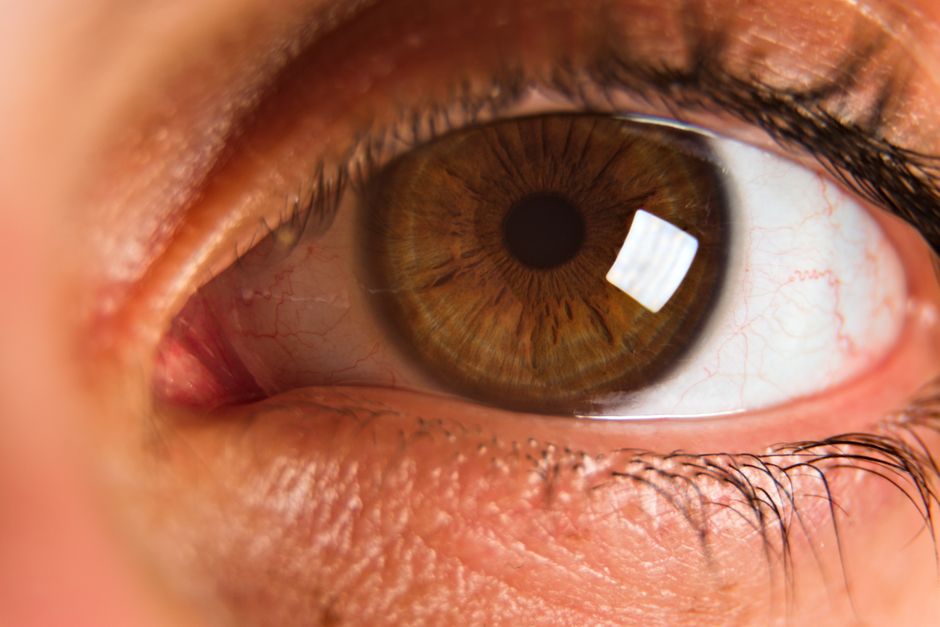
Recovery after LASEK is longer than after LASIK because the corneal surface must regenerate before vision stabilizes.
Days 1–5 (bandage lens phase): The bandage contact lens remains in place while the epithelium grows back. Common sensations include light sensitivity (photophobia), watering, a gritty or sandy feeling, and blurred or fluctuating vision. These are expected and typically peak around day 2–3 before improving.
Days 5–7 (lens removal visit): At the follow-up, the surgeon confirms epithelial closure and removes the bandage lens. Most patients notice meaningful improvement in clarity around this point.
Weeks 1–3: Functional vision — adequate for most daily tasks — is usually achieved within the first week. Driving should be confirmed safe with the surgeon before resuming. Continue antibiotic, steroid, and lubricating drops as prescribed.
Weeks 3–4 and beyond: Vision typically stabilizes by weeks 3–4. Minor fluctuations, especially in variable lighting, can persist up to one month.
Activity restrictions during recovery: - Avoid rubbing the eyes - No swimming, hot tubs, or saunas for 2–4 weeks - Avoid dusty or smoky environments - No eye makeup until cleared by the surgeon - Wear UV-protective sunglasses outdoors throughout recovery
Full spectacle-independent vision — the final outcome — is usually assessable at the one-month follow-up.
Cost
Costs vary by hospital and case. Ask the hospital for a written, itemised estimate before you decide.
Why Korea
Korea has built a strong international reputation for laser vision correction over more than two decades of high-volume clinical practice.
Regulatory and accreditation framework: The Korean Health Industry Development Institute (KHIDI) and Medical Korea programme support international patient access and enforce quality standards. The Korean Association of Hospitals for Foreigners (KAHF) accredits facilities meeting specific standards for international care. A number of Seoul vision centres also hold JCI accreditation.
Clinical volume and technology: Seoul hosts some of the highest-volume vision correction centres in Asia. High caseloads mean surgeons and clinical teams perform LASEK, LASIK, SMILE, and implantable collamer lens procedures daily — translating into refined technique and efficient post-operative protocols.
International patient infrastructure: Dedicated international patient departments provide language support (English, Arabic, Vietnamese, Bahasa, and other languages), assist with scheduling around visa timelines, and coordinate follow-up communication after patients return home.
This scale supports transparent, competitive pricing without compromising clinical quality.
Key Takeaways
- LASEK is the preferred surface-laser alternative for patients with thin corneas, irregular topography, or contact-sport/high-impact lifestyles — no permanent flap is created.
- Recovery takes 3–4 weeks for stable vision; the bandage contact lens phase (days 1–5) is the most uncomfortable period.
- Korea's high-volume vision correction centres, KHIDI/KAHF accreditation framework, and dedicated international patient departments make it a clinically credible and cost-competitive destination.
Frequently Asked Questions
How is LASEK different from LASIK and SMILE?
LASIK creates a hinged flap in the stroma, lifts it to reshape tissue with a laser, then repositions it. SMILE extracts a lens-shaped piece of stroma (lenticule) through a small incision without surface disruption. LASEK works on the surface: dilute alcohol loosens the outer epithelium, which is moved aside rather than cut, the excimer laser reshapes tissue, and the epithelium regenerates. With no permanent flap, LASEK preserves stromal depth and avoids flap complications, at the cost of longer surface healing.
Am I a candidate for LASEK if I have thin corneas or play contact sports?
Thin corneas are a primary reason surgeons recommend LASEK over LASIK. LASIK needs enough stroma to cut a safe flap and leave an adequate residual bed, which thin corneas may not allow; LASEK creates no flap and preserves tissue depth. For contact sports or impact-risk occupations like martial arts, rugby, military, or law enforcement, having no permanent flap avoids the documented LASIK risk of flap dislodgement from trauma. A full screening, corneal topography, pachymetry, and tear-film evaluation, confirms suitability.
How long does recovery from LASEK take, and when can I return to work?
The bandage lens is removed at a follow-up on day 3–5. Meanwhile, light sensitivity, watering, and blurred vision are common. Most patients reach functional vision, enough for desk or screen work, within the first week after lens removal. Vision stabilises around weeks 3–4, with fluctuations for up to a month. Discuss labour, driving, and sport with your surgeon; contact sports need 4–6 weeks clearance. Plan to stay in Korea at least 5–7 days for surgery, lens removal, and follow-up checks.
What does LASEK cost in Korea, and what is included in the package price?
Most packages include the pre-operative workup (topography, pachymetry, full refraction), the procedure, bandage contact lenses, post-operative medications, and scheduled follow-up visits during your stay. Enhancements or extra unplanned visits may be billed separately. Always request an itemised English-language quote and confirm inclusions in writing before booking.
How long do I need to stay in Korea for LASEK?
A minimum stay of 5–7 days is generally recommended. Day one is the surgical procedure itself. Days 3–5 bring the critical bandage contact lens removal appointment, where the surgeon confirms the epithelium has closed and removes the lens. One or two additional early follow-ups before departure allow the team to confirm healing trajectory and adjust drop regimens if needed. Leaving before the bandage lens removal visit is not advisable.
What are the main risks and side effects of LASEK?
LASEK carries risks common to surface-based laser correction. During recovery, haze (subepithelial fibrosis) can develop as the cornea heals, and steroid drops are prescribed to minimise it. Dry eye is common after any laser procedure and may need lubricating drops for weeks to months. Under- or over-correction can occur; minor errors may be fixable with an enhancement once the refraction stabilises, typically after 3–6 months. Infection during surface healing is possible but rare when antibiotic drops are used as prescribed.
Related Topics
Sources
International Patient Preparation Guides
Independent resources for international patients researching care in South Korea:
تبحث عن معلومات حول الرعاية في كوريا؟
KmedTour مصدر للمعلومات فقط. تواصل مع المستشفيات مباشرةً، أو ابحث عن مستشفى مسجّل لعلاج المرضى الأجانب عبر بوابة Medical Korea.
Quick Facts
التكلفة
اطلب من المستشفى تقديرًا مكتوبًا
Duration
5 days
Korean Hospitals
2+ Available
مستشفيات تقدّم LASEK Eye Surgery
Available Cities
Medical Information Disclaimer
The information provided on this page about LASEK Eye Surgery is for general educational and informational purposes only. It is not intended as, and should not be construed as, medical advice, diagnosis, or treatment recommendations.
Always seek the advice of a qualified healthcare professional regarding any medical condition or treatment. Never disregard professional medical advice or delay seeking it because of information found on this website. Individual treatment outcomes may vary. Costs shown are estimates and may differ based on individual circumstances.
KmedTour is an independent information platform. It is not a medical provider or a registered foreign patient attraction agency, and it does not book treatment, take payment for treatment, or receive per-patient fees from hospitals. Treatment is arranged and paid for directly between you and the hospital.